
Welcome to BioVision
The Greater Whitsunday region is taking the lead in one of Australia's most exciting emerging industries — biomanufacturing.
With abundant natural assets, strong industry capability, and a proud history of production and innovation, our region is building on its strengths to drive sustainable economic growth and open the door to new, high-value opportunities.
We’re not waiting for the future to arrive. We’re building it — now.
By 2030, our vision is for the Greater Whitsunday region to be a globally significant biomanufacturing region, enabled by diverse biomass, human talent, research investment and supporting infrastructure.
BioVision is your entry point to understanding how our region is harnessing its strengths to become a national leader in biomanufacturing — turning agricultural feedstocks into high-value products, creating new industries, and unlocking global export potential.
We know you’ll have questions about where we’re heading. This digital experience will help you explore the opportunity, the infrastructure, and the partnerships already in motion — and begin your journey into what’s possible in Greater Whitsunday.
How to Explore BioVision
As you move through BioVision’s story, the interactive map will automatically shift and zoom to highlight key locations and data points. You can also take control at any time — navigating freely, zooming in or out, or turning on filter layers to explore in more detail and see all the data points connected to the story. Use it your way and discover the full picture of biomanufacturing in the Greater Whitsunday region.

The Greater Whitsunday Region
Mackay Isaac Whitsunday: think diversity, resilience and innovation.
Collectively known as Greater Whitsunday, the region is an economic powerhouse, located in Queensland, on the east coast of Northern Australia. Greater Whitsunday extends from St Lawrence in the south to Bowen in the north, and west to beyond Clermont.
The region’s total economic output is $87.7 billion with resources, Mining Equipment Technology Services (METS), agriculture, tourism and construction acting as the key economic drivers.
Thanks to our proximity to the Bowen and Galilee Basins, the region is home to one of Australia’s most advanced METS sectors.
The Greater Whitsunday region also boasts an emerging biomanufacturing industry, an abundance of natural attractions, and unique tourism destinations with a strong reputation for attracting local and international travellers. Alongside these industries the construction sector is a fundamental component of the region building residential, commercial and mining infrastructure for the economy and community.
Of the total $87.7 billion output generated in the Greater Whitsunday region:
- $49.6 billion is generated in Isaac
- $29.4 billion is generated in Mackay
- $8.7 billion is generated in Whitsunday
Continued strong performance across most industry sectors reinforces Greater Whitsunday as a major regional economic powerhouse and supports the region’s focus on exploring new industries, whilst proactively supporting key traditional sectors.
Mackay
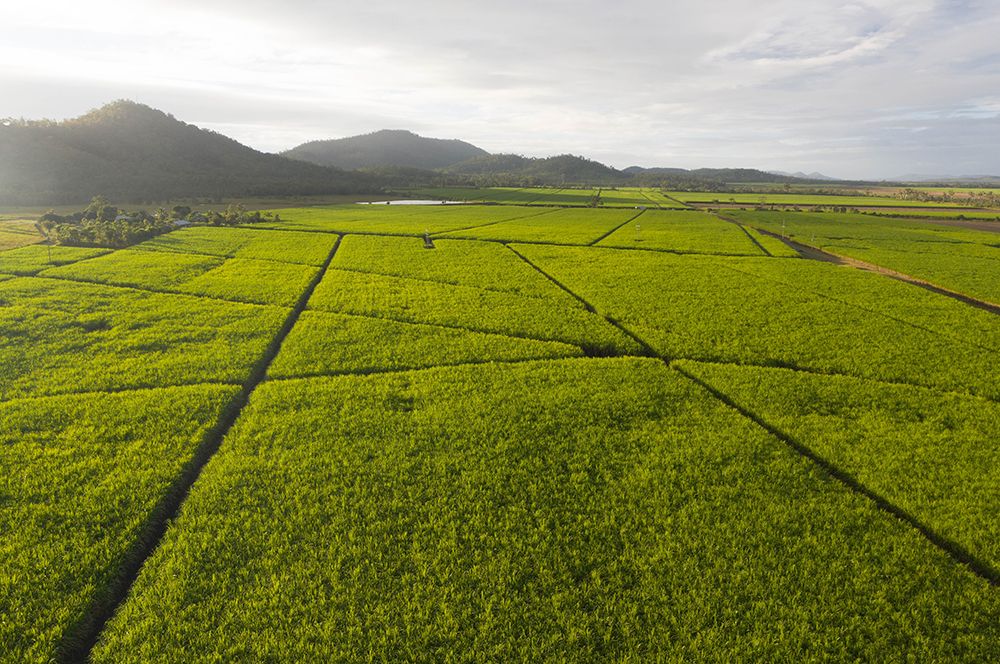
The Mackay region is a vibrant community, rich in diversity. The natural beauty of hinterland rainforest, 31 stunning beaches, a trove of off-the-beaten-track waterholes and trails, and one of the few blue rivers in Australia, is a glorious backdrop to the Mackay region’s dynamic economic portfolio.
Mackay is a service and support hub for the Bowen and Galilee coal basins, while also boasting strong traditional and emerging sectors from sugar cane to biomanufacturing, and tourism, aquaculture, education, health, aerospace, renewable energy, agriculture, beef, mining, and METS.
Primary feedstocks: Sugarcane
Isaac
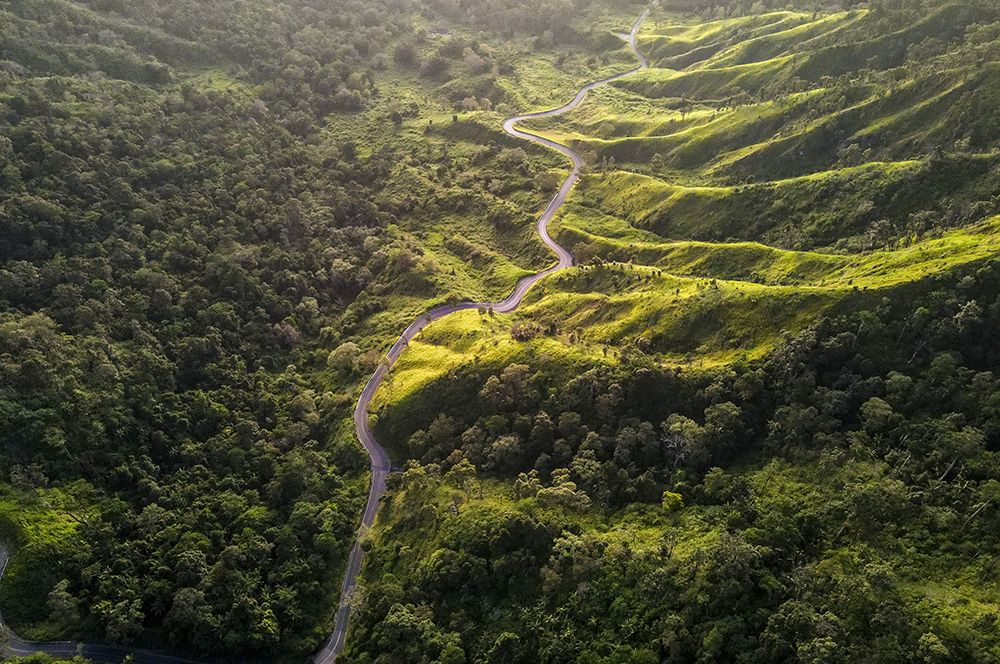
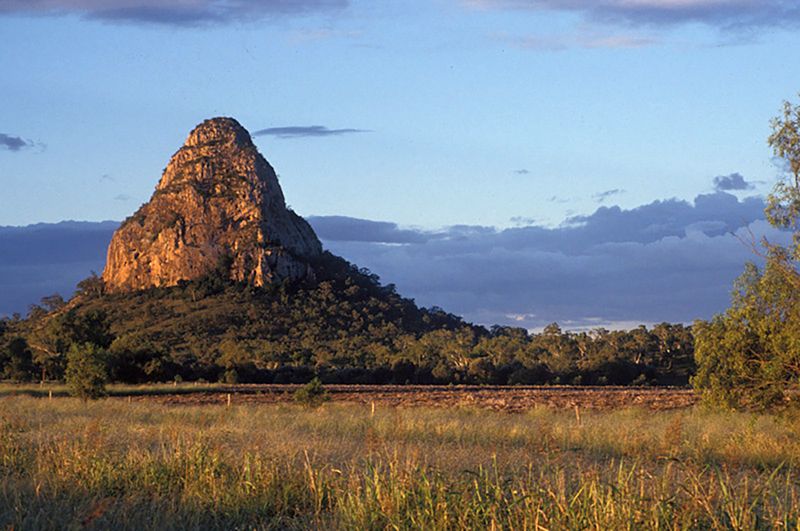
Isaac’s wealth runs deep from the Bowen Basin to the centre of its bustling communities. Home to one of the world’s richest, cleanest, and highest-grade metallurgical coal deposits.
From coalfields to cattle the Isaac economy mines the best of every sector. The Isaac local government region hosts more than 30 operating coal mines. Key to the region’s diversity are strong livestock and agricultural portfolios, as well as an active cultural industries sector with a thriving arts, history, community, and storytelling scene.
Primary feedstocks: Grains and Intensive livestock
Whitsunday
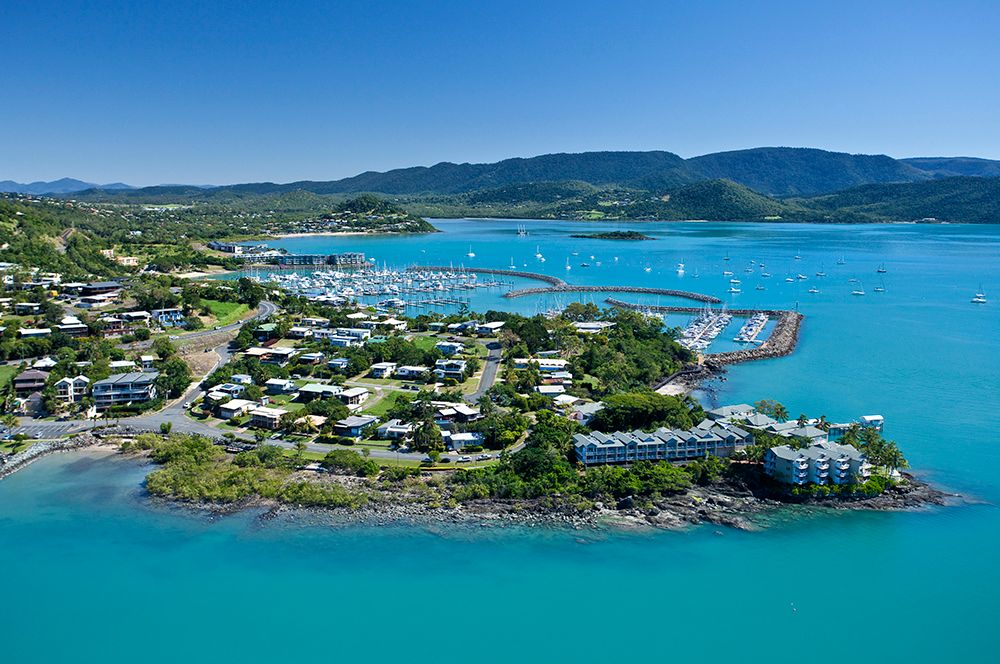
As the gateway to the Great Barrier Reef and the magnificent 74 Whitsunday Islands, the Whitsunday region has one of the fastest growing populations in Queensland.
The Whitsunday region story is one anchored by the Great Barrier Reef but is also harvesting the fruits of a resilient agriculture sector. Boasting a strong and diverse economy driven by the agriculture, construction, mining and tourism industries; the Whitsunday region is on track to becoming a regional economic engine of Queensland.
Primary feedstocks: Sugarcane and Horticulture
What is Biomanufacturing?
Biomanufacturing uses biological systems — such as microorganisms, enzymes, or cell cultures — to produce high-value products at scale.
These processes are enabling the next generation of low-emission, renewable, and commercially viable solutions across industries including food, chemicals, materials, fuels, and health.
While the term may be relatively new to everyday conversation, the foundational science is not. Fermentation has been used for centuries to preserve and enhance foods—from beer and bread to cheese and yogurt. Today, that same biological process is being reimagined through biotechnology and applied at industrial scale to transform biomass into market-ready products.
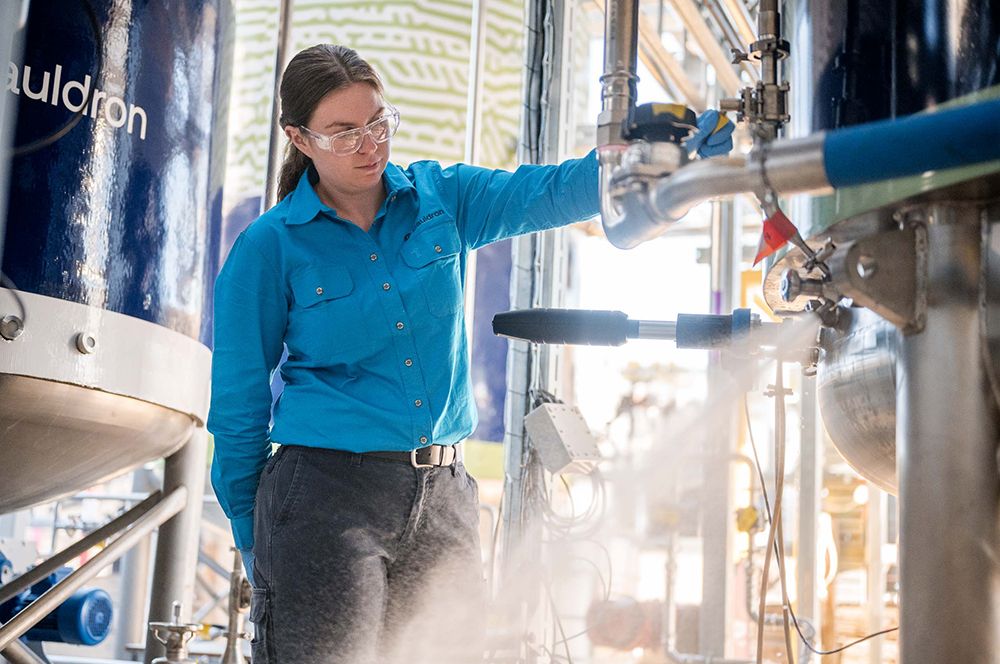
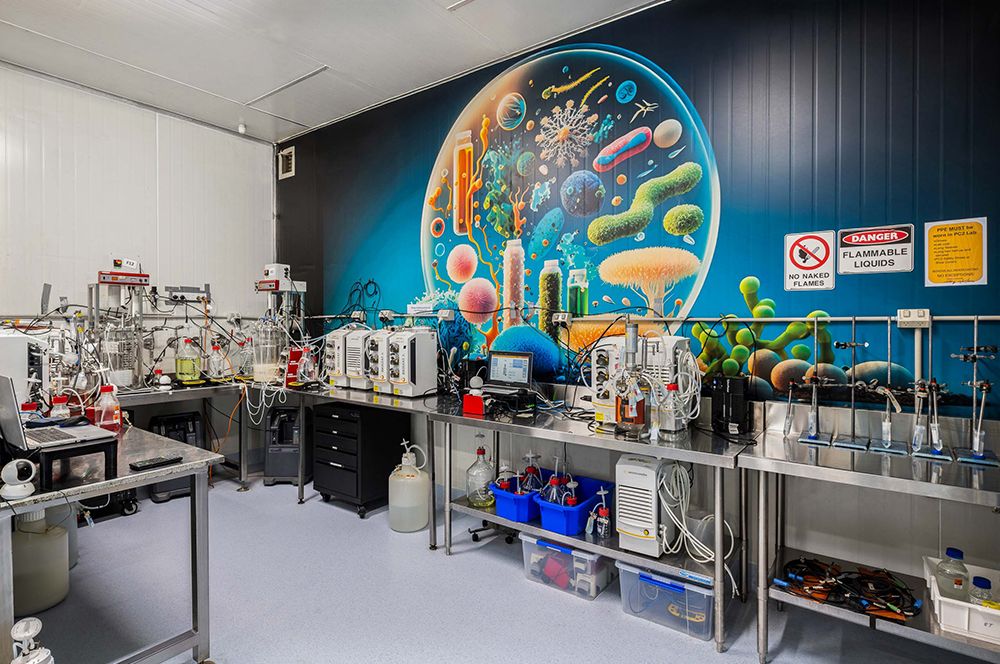
At the forefront of this evolution is precision fermentation, which programs microorganisms to produce specific outputs—such as enzymes, proteins, or specialty chemicals—with accuracy and efficiency. While initially used to manufacture pharmaceuticals and specialty compounds such as insulin, advances in technology are now expanding its application to mainstream, high-volume markets, such as food and fuel products.
As the field advances, continuous fermentation is emerging as a key enabler of cost-effective, scalable production. Like an assembly line for biology, this approach allows for a constant flow of inputs and outputs, improving capital efficiency and breaking away from the batch limitations of traditional systems.
According to Boston Consulting Group (BCG) , in a global context, biomanufacturing is forecast to play a central role in transforming manufacturing systems, potentially influencing more than one-third of global industrial output by 2030. In regions like Greater Whitsunday, where biomass diversity, industrial infrastructure, and technical capability converge, biomanufacturing offers a significant growth frontier that builds on existing strengths.
Biomanufacturing in Greater Whitsunday
Biomanufacturing is not a new idea for the Greater Whitsunday region we've been laying the groundwork for a thriving biomanufacturing future for years.
This isn’t just an emerging opportunity for us; it’s a shared regional vision that’s been steadily gaining momentum through cross-sector collaboration, strategic planning, and targeted investment.
The release of Queensland’s Biofutures Roadmap in 2016 provided a clear policy signal that Queensland was serious about building a globally competitive industrial biotechnology sector. Since then, Greater Whitsunday has worked closely with all levels of government, research institutions, and industry leaders to position the region at the forefront of this agenda.
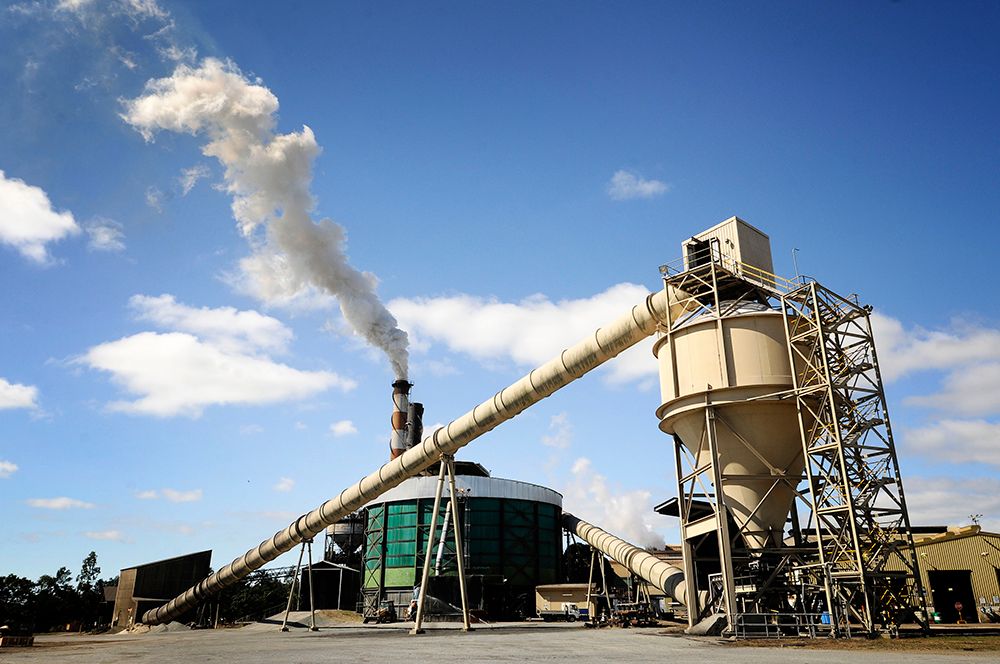
Conveniently located near fast-growing Asian markets, and with proximity to North Queensland’s broader resource and agricultural supply chains, the Greater Whitsunday region offers a unique strategic advantage. The region is home to abundant and diverse biomass, strong freight and export infrastructure, and a workforce with deep experience in agriculture, processing, and industrial operations. The region’s favourable climate — characterised by high annual rainfall, warm temperatures, and consistent humidity — also supports year-round agricultural production and reliable biomass supply, adding to the region’s appeal for biomanufacturing. This combination makes Greater Whitsunday exceptionally well-placed to meet the rising global demand for food, fuel, feed, and fibre produced through biomanufacturing processes.
Importantly, the Greater Whitsundays is not just talking about the opportunity — we’re building it, with the foundations now in place to scale and attract investment. The region is already home to critical enabling infrastructure like the QUT Pioneer Biopilot, a national-scale facility driving research, innovation, and commercialisation in industrial biotechnology. And we’re attracting national attention, with growing recognition of the region’s potential to host large-scale biomanufacturing facilities — further establishing Greater Whitsunday as a hub for commercial biomanufacturing.
The initial focus is on alternative proteins and future foods — sectors that play to biomass strengths and global market trends — and this as just the beginning. As capability, investment, and expertise continue to grow, the region is poised to expand into a broader range of biomanufacturing opportunities over time.
This is a region that makes smart, strategic choices: defining clear priorities, building on existing strengths, and creating the right conditions for scalable, long-term growth. Biomanufacturing aligns with regional ambitions and offers a powerful pathway to grow new industries, add value to traditional ones, and secure a more sustainable and resilient future.
Regional Commitment and Collaboration
Collaboration isn’t just a feature of the Greater Whitsunday region — it’s a defining strength. Time and again, investors and proponents highlight the region’s unified, cross-sector approach as a rare and powerful differentiator. In a sector as complex and fast-evolving as biomanufacturing, having government, research, industry, and community stakeholders aligned under a shared vision creates the conditions where ideas can be tested, scaled, and accelerated.
This culture of collaboration and commitment is not accidental, it’s intentional and embedded in the way we operate. At the core is the Greater Whitsunday Biofutures Leaders Group, a unique regional forum convened by Greater Whitsunday Alliance (GW3) that brings together key decision-makers from across the bioeconomy value chain. From sugar mill operators and ports to research institutions and growers, this group enables open dialogue, collective problem-solving, and proactive planning. Rather than working in silos or as competitors, regional leaders come together with a shared goal: to diversify and strengthen the economy through biomanufacturing.
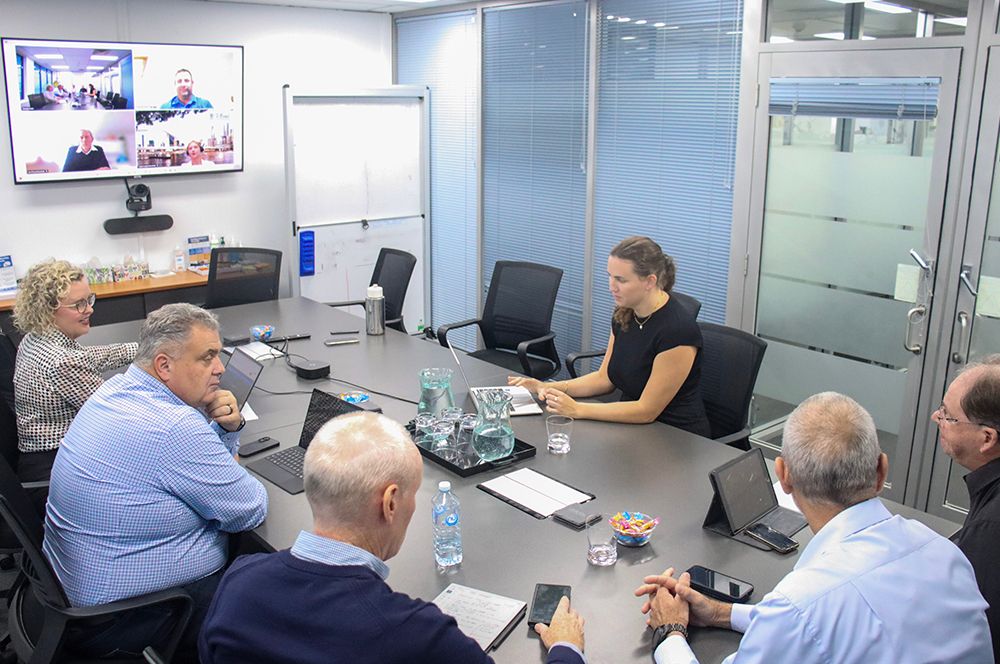
This model of collaboration has been central to progress. It enables trust, fast-tracks opportunity, and ensures that when investments or pilot projects are introduced, they are met with a well-informed, action-oriented ecosystem. It’s this collaborative advantage — grounded in respect, capability, and a shared vision — that sets Greater Whitsunday apart as a region ready not just to participate in the biomanufacturing future, but to help shape it.
Greater Whitsunday Timeline
Biomanufacturing in the Greater Whitsunday region isn't an overnight concept. It’s the result of years of focused effort, collaboration, and strategic groundwork. This timeline highlights the milestones that have shaped our reputation as a region to watch in Australia’s emerging biomanufacturing landscape.
Abundant and Diverse Feedstock in greater Whitsunday
Biomanufacturing begins with feedstock, and in the Greater Whitsundays, our natural advantage is clear.
This region boasts an abundant and diverse biomass base, offering the raw materials needed to fuel a wide range of biomanufacturing processes, now and into the future.
At the heart of this initial opportunity is sugarcane. The Greater Whitsunday region is one of Australia’s most significant sugarcane-producing areas, contributing nearly 30% of the nation’s supply. With major mills, well-established harvesting and transport systems, and a deep understanding of sugarcane processing, the industry provides both the infrastructure and technical know-how critical to unlocking value from biomass. Importantly, sugarcane is already a proven input for bio-based products and has immediate potential to underpin scalable biomanufacturing applications.
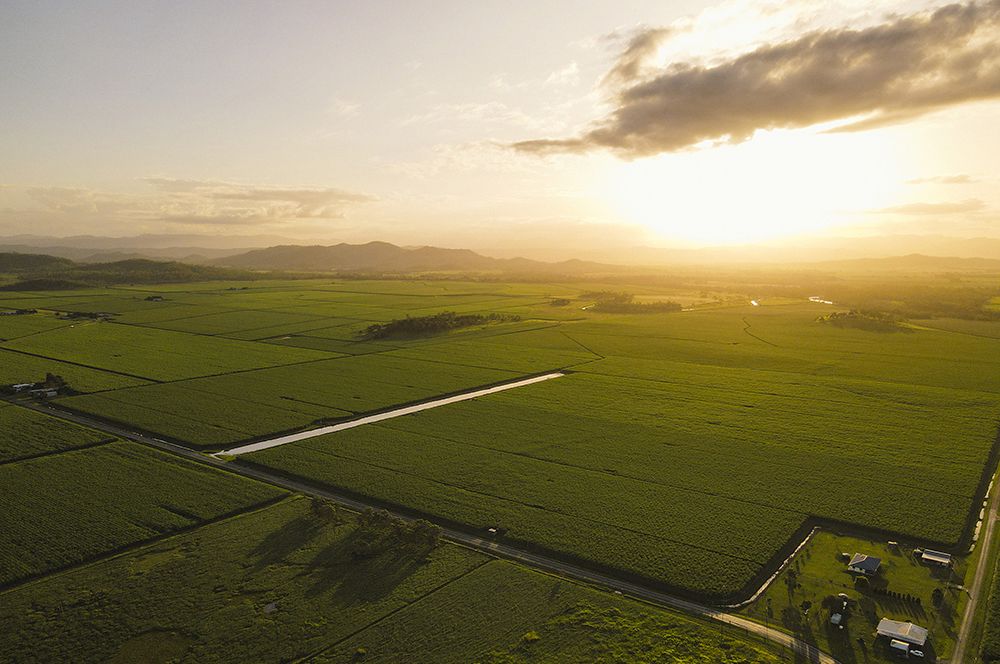
But the opportunity doesn’t stop at cane. Our region is actively exploring and diversifying feedstock inputs, with interest growing in everything from horticultural and aquacultural by-products to agricultural residues and even industrial waste streams. This diversity positions Greater Whitsunday to support feedstock streams for multiple biomanufacturing markets, increasing resilience and broadening commercial potential.
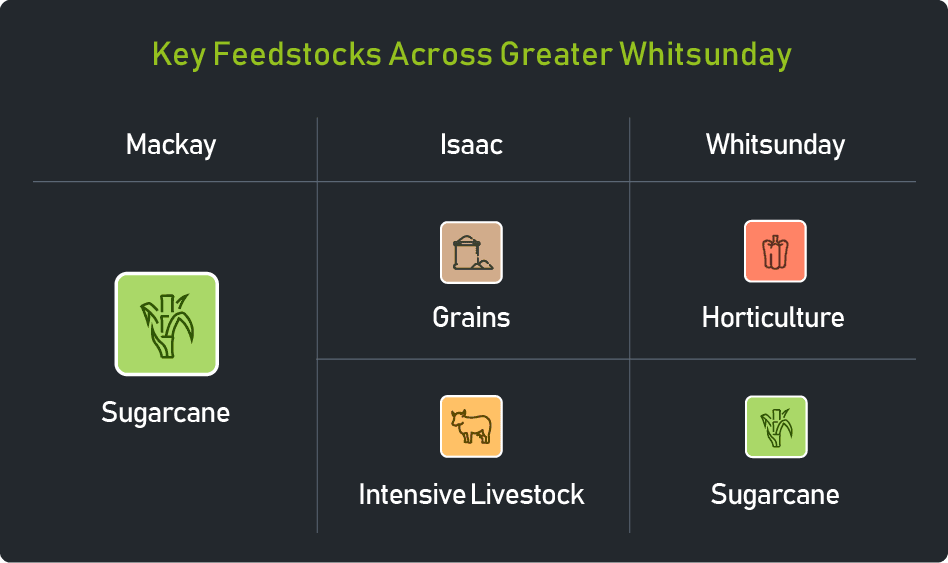
We’re not starting from scratch. We’re building on generations of land stewardship, regional know-how, and a strong logistics backbone to transform how value is created from natural resources. With access to diverse feedstocks and a region-wide appetite for innovation, Greater Whitsunday is positioned not only to fuel the biomanufacturing sector but to help shape what it becomes.
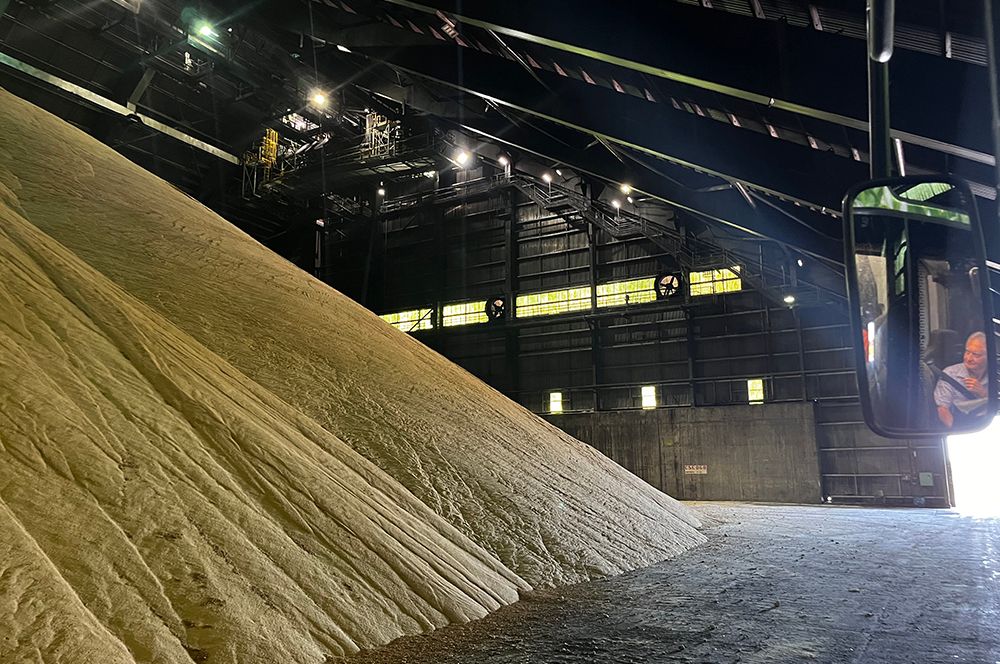
Sugar Cane
Sugarcane is the anchor feedstock for biomanufacturing in the Greater Whitsunday – abundant, established, and already proven in bio-based innovation. Found primarily in the Mackay and Whitsunday LGAs, sugarcane is grown across more than 100,000 hectares and supported by five operational mills located in Mackay, Sarina, Marian, Farleigh and Proserpine. This scale and consistency provide a reliable, sugar-rich input that’s critical to many biomanufacturing pathways.
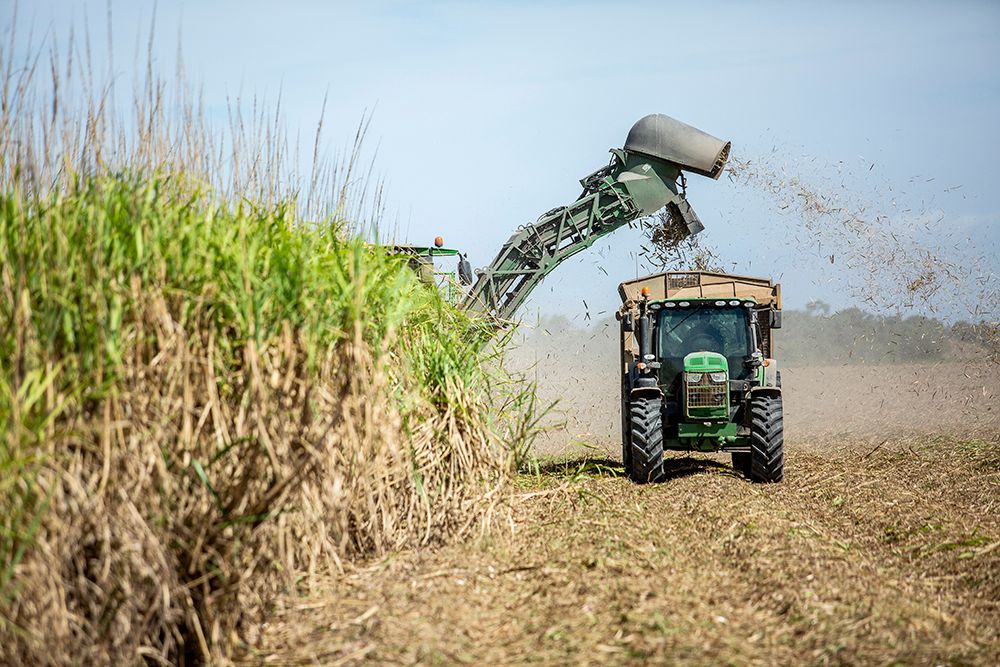
More than just volume, sugarcane offers maturity. The region has generations of expertise in growing, harvesting, transporting, and processing cane, underpinned by infrastructure like cane rail, power generation and export terminals. These assets reduce the barriers to entry for biomanufacturers looking to convert sugarcane into high-value products such as biofuels, bioplastics, and alternative proteins.
Importantly, sugarcane is not a hypothetical feedstock. It is already being used in real-world applications, both globally and here in the Greater Whitsunday. Its chemical composition – high in sucrose and fibre – makes it suitable for microbial fermentation, chemical conversion and thermochemical processing. And with by-products like bagasse and molasses offering their own bio-uses, the crop supports circular thinking and multiple value streams.
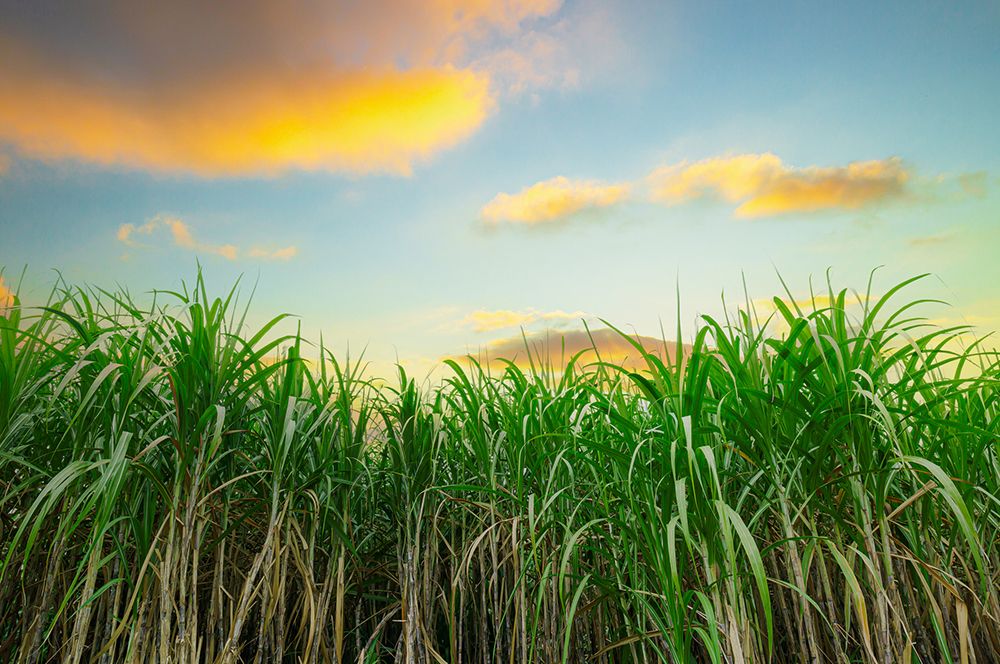
As demand grows for sustainable, plant-based inputs, the sugarcane industry in Greater Whitsunday is well-positioned to adapt. Its capacity, capability and versatility are already attracting next-generation biomanufacturing projects – a sign that this familiar crop is ready to power unfamiliar frontiers.
Grains
The Isaac region has a flourishing grains sector and whilst grains are still an emerging frontier in Greater Whitsunday’s feedstock story, they offer a complementary opportunity to traditional biomass and expanding the region’s value proposition in biomanufacturing.
While grain production is not as dominant as sugarcane in the region, it plays an important and growing role in supporting a diversified biomass base. The Isaac region – with its vast land area and adaptable agricultural operations – produces crops such as sorghum, chickpeas, and wheat, which are well-suited to dryland farming systems and rotational crop practices already in place across the region’s mixed farming enterprises.
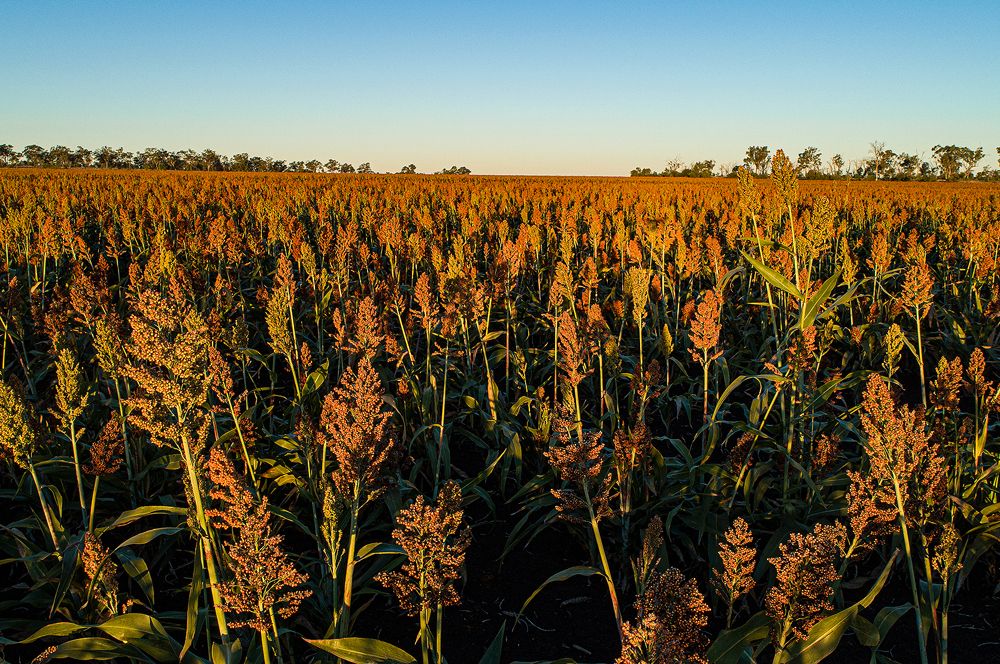
The strategic importance of grains lies in their versatility as both primary and secondary feedstock. Grain can be used directly in biomanufacturing processes – for example, in bioethanol production or as an input in microbial fermentation – or indirectly, with post-harvest residues and by-products repurposed for bioenergy or biochemical applications.
In the Greater Whitsunday context, existing grain farming is supported by infrastructure such as storage silos, freight corridors, and proximity to processing facilities further south or in neighbouring regions. While currently exported or used primarily in feed or food supply chains, grains present a valuable opportunity for local value-adding through emerging biomanufacturing ventures – particularly where supply chains could integrate with broader feedstock aggregation and processing hubs.
As climate-smart practices and regenerative agriculture continue to gain momentum in the region, grains are expected to become an increasingly important part of the biomass mix – supporting both resilience in farming systems and flexibility in feedstock sourcing. This dual role makes grains a practical and strategic contributor to Greater Whitsunday’s biomanufacturing future.
Horticulture
Horticulture is a dynamic and diverse contributor to Greater Whitsunday’s agricultural output – with potential as both a direct feedstock source and a valuable pathway for companion market opportunities within a growing biomanufacturing ecosystem.
The Whitsunday region is well-known for its horticultural strength, producing a broad mix of high-value fruits and vegetables, including mangoes, capsicums, tomatoes, zucchinis, pumpkins, and melons. While the volume of biomass available from horticulture is typically lower than broadacre crops like sugarcane or grains, the variety of crop types and associated organic waste streams offer strategic opportunities for niche and specialty bioproduct development.
A significant feature of horticultural production is the generation of post-harvest waste – such as offcuts, spoilage, and surplus produce – which can be difficult to reuse through conventional channels but valuable in a biomanufacturing context. These by-products can be transformed into inputs for composting, bioenergy, bioplastics, natural additives, or nutraceuticals. The relatively high moisture and nutrient content of horticultural residues makes them suitable for anaerobic digestion, fermentation, or enzymatic processing.
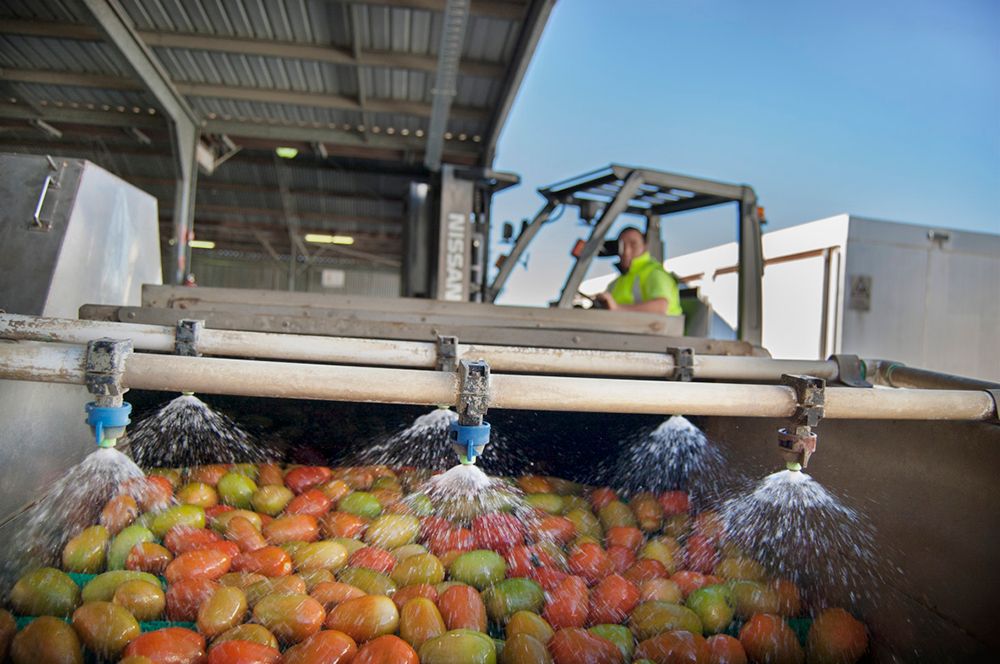
Moreover, horticulture’s potential in biomanufacturing is not limited to feedstock alone. The sector is a natural testing ground for bio-based inputs, such as biostimulants, organic soil enhancers, and biodegradable packaging – opening up commercial pathways through companion market innovation. These emerging products can strengthen the region’s circular economy, creating feedback loops between primary producers and biomanufacturing firms.
While current biomanufacturing use of horticultural waste in the Greater Whitsunday is limited, pilot initiatives and research partnerships are beginning to explore its viability. The region’s existing export supply chains, cold storage, and packing facilities also provide the backbone for potential bioprocessing activities that could operate alongside traditional horticultural operations.
As the horticulture sector continues to evolve, there is growing interest in how it can support and benefit from biomanufacturing innovation. Its responsiveness to market trends and sustainability goals makes it a strong contributor and potential early adopter of bio-based solutions in the Greater Whitsunday region.
Intensive Livestock
The Greater Whitsunday region supports a strong livestock sector, particularly beef cattle production. The entire region is a significant beef cattle production area, accounting for approximately 5% of Australia’s beef production or around a one million head herd size. The beef cattle industry generates a variety of reliable organic feedstocks, including manure, effluent, and abattoir by-products such as beef tallow.
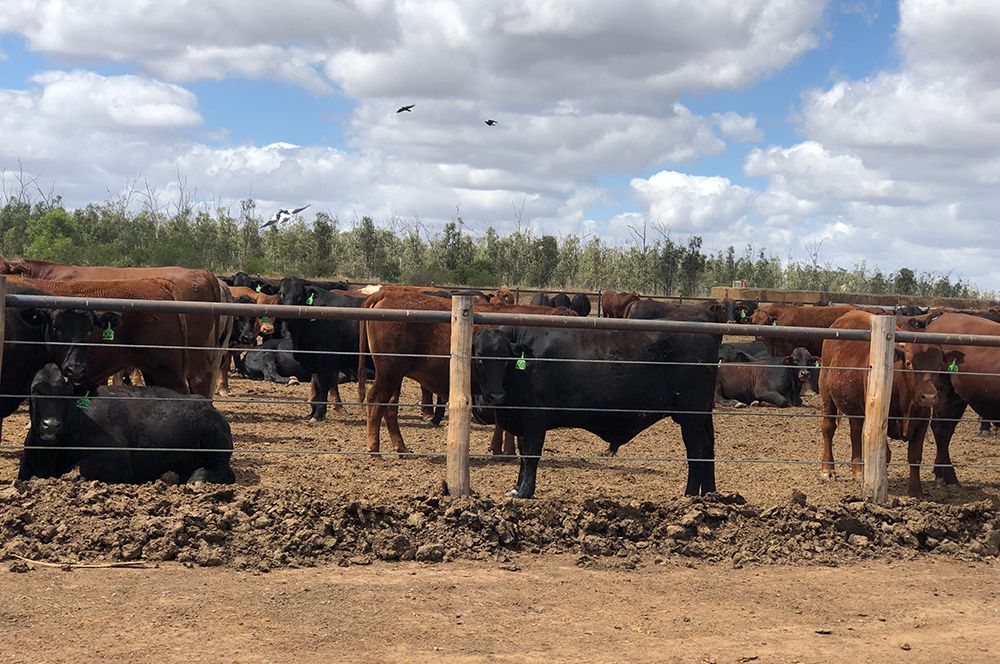
These by-products offer considerable potential for biomanufacturing applications, including the production of bioenergy, organic fertilisers, and renewable fuels. Beef tallow, for example, is a high-demand input for biodiesel and renewable aviation fuel. With consistent throughput and existing waste management processes, intensive livestock operations are well positioned to support early-stage industry development and pilot-scale innovations.
While intensive livestock primarily refers to cattle in the Greater Whitsunday region, it should be noted that aquaculture operations also contribute valuable organic by-products and biomass streams that may support biomanufacturing developments.
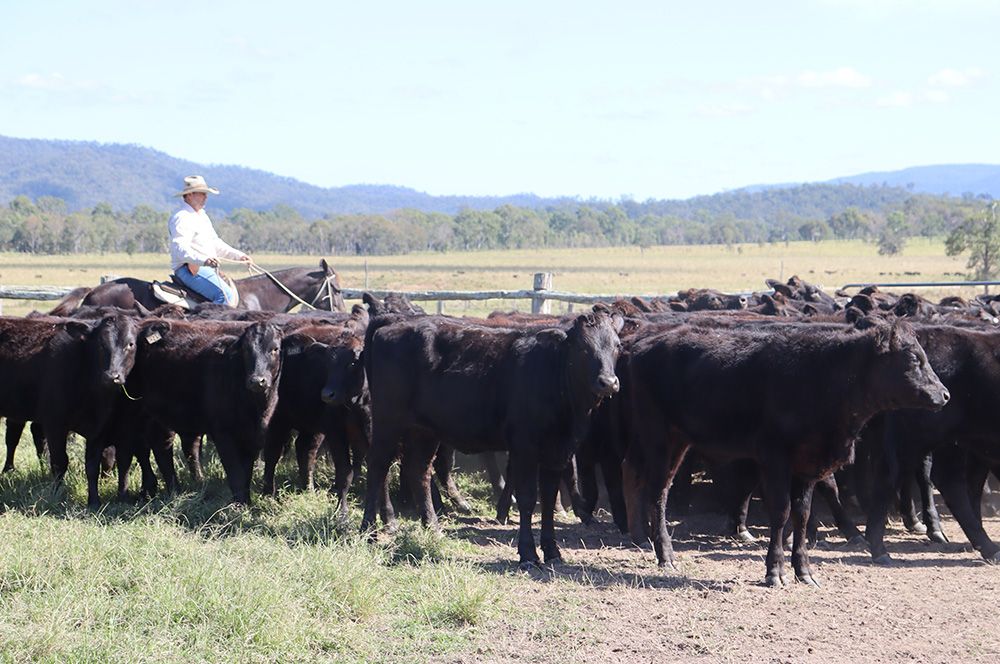
Beyond waste conversion, there are also opportunities to introduce biomanufactured inputs back into the livestock supply chain—such as bio-based feed additives, probiotics, or biodegradable packaging for meat products—creating a more circular and resilient production system.
As intensive livestock operations continue to evolve toward improved environmental and economic outcomes, they offer a scalable, regionally distributed platform for advancing practical biomanufacturing solutions in the Greater Whitsunday.
Emerging Feedstocks in Greater Whitsunday
While the Greater Whitsunday region already boasts a strong feedstock base, there is significant untapped potential for future biomass production. The region's ongoing investment in biomanufacturing is not limited by current supply but is supported by the opportunity to scale.
One of our key regional advantages is the availability of agricultural land that remains undeveloped. A recent study identified that up to 88,000 hectares of additional higher-value irrigated broadacre or perennial cropping land could be developed through proposed regional irrigation schemes. Combined with high rainfall and therefore fewer water constraints than many other agricultural areas, Greater Whitsunday is well-positioned to support new and diversified biomass crops without placing undue pressure on existing systems.
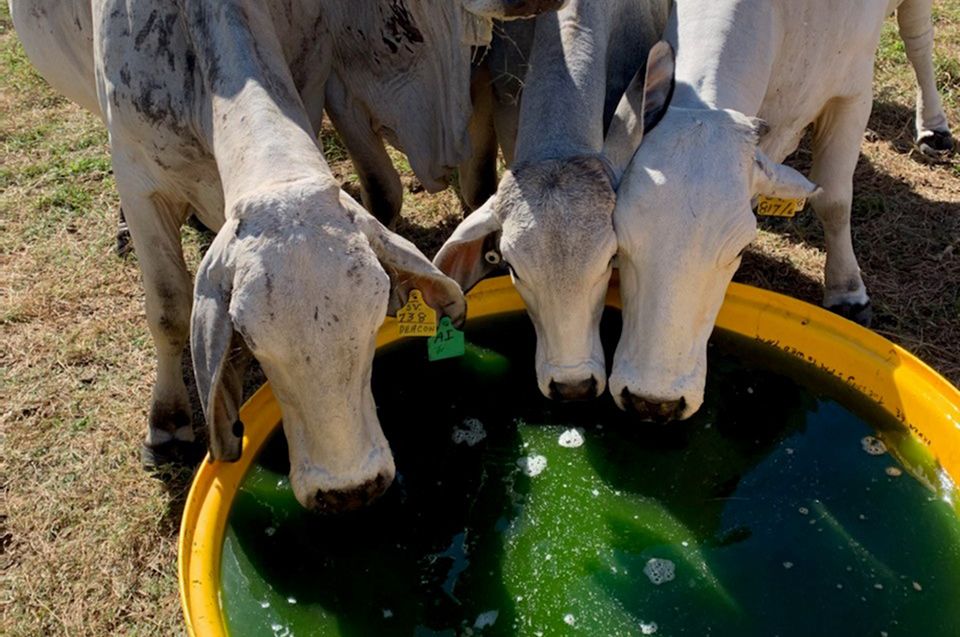
There is potential for emerging feedstocks—such as algae and alternative crops—to be cultivated or scaled across the region in response to future demand. There is also growing interest in circular and waste-based inputs like food processing by-products and green waste. These options not only reduce environmental impacts but open the door to new product streams in bioenergy, biomaterials, and alternative proteins.
Additionally, the Greater Whitsunday region recognises the potential of post-mining land use to support future economic opportunities, including the production of alternative feedstocks. As mine closure planning continues to evolve, there is growing interest in how rehabilitated land could be repurposed in ways that align with sustainability goals and regional diversification.
Mine closure regulation in Queensland has historically prioritised site rehabilitation, with limited incentives for developing alternative land uses. However, with the Bowen Basin home to more than 30 operational coal mines and peak closure activity projected around 2040, the region is actively investigating and progressing opportunities for post-mining land use. One such opportunity includes the cultivation of biomass crops, which could contribute to a more diverse and sustainable feedstock supply for industries such as bioenergy and biomanufacturing. While still in the early stages of consideration, this reflects the region’s broader commitment to innovation, land stewardship, and economic resilience.
As demand grows, our ability to strategically expand feedstock supply — with the land, climate, and collaborative ecosystem to support it — is a critical enabler for long-term success in biomanufacturing.
Case Study - Sugarcane as the Cornerstone
For more than a century, sugarcane has shaped the landscape, economy, and identity of the Greater Whitsunday region. Generations of growers, processors, and exporters have built an industry that is deeply embedded in the community – both culturally and economically.
Today, the region continues to lead, with over 100,000 hectares of cane harvested annually for milling and five operational sugar mills located across Mackay, Sarina, Proserpine, Marian and Farleigh. The region produces approximately one-third of Australia’s raw sugar, underpinned by a mature value chain that includes harvesting, transport, milling, refining, and export. Supporting this production is an extensive network of existing infrastructure – from cane rail to power generation and port access – that reflects decades of investment and industry resilience.
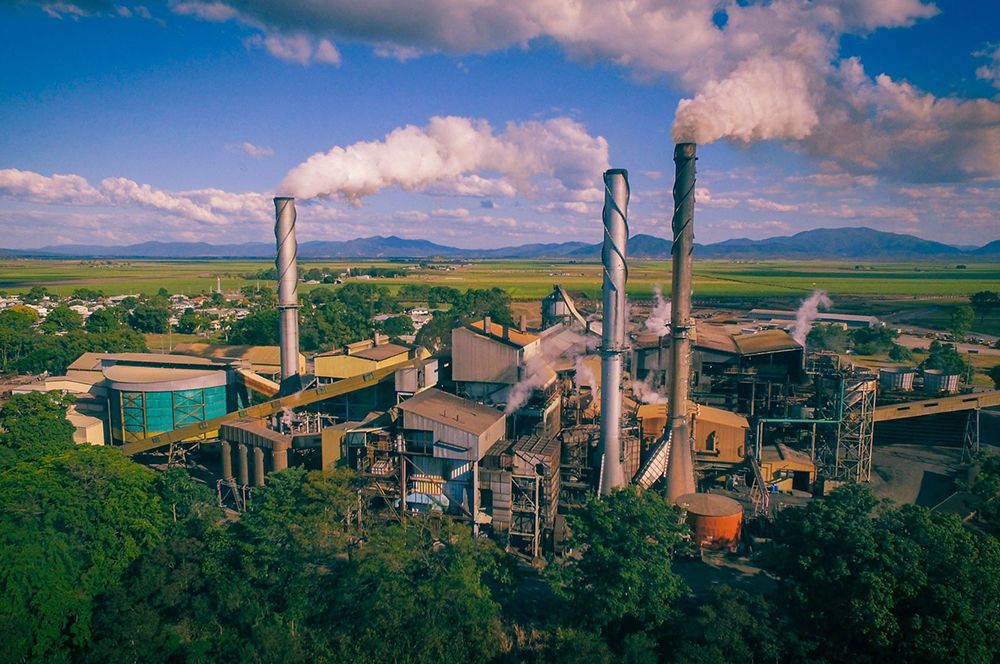
But sugarcane’s story isn’t just about raw sugar. Innovation has long played a role, from the bioethanol distillery at Sarina to the renewable bagasse cogeneration plant at Racecourse Mill – both early examples of value-adding and sustainability-focused transformation within the sector.
Sugarcane’s versatility as a renewable feedstock has become increasingly recognised, offering pathways into alternative proteins, bioenergy, bioplastics and biochemicals. It has become the cornerstone feedstock for emerging bio-opportunities – and the foundation on which future industries are being built.
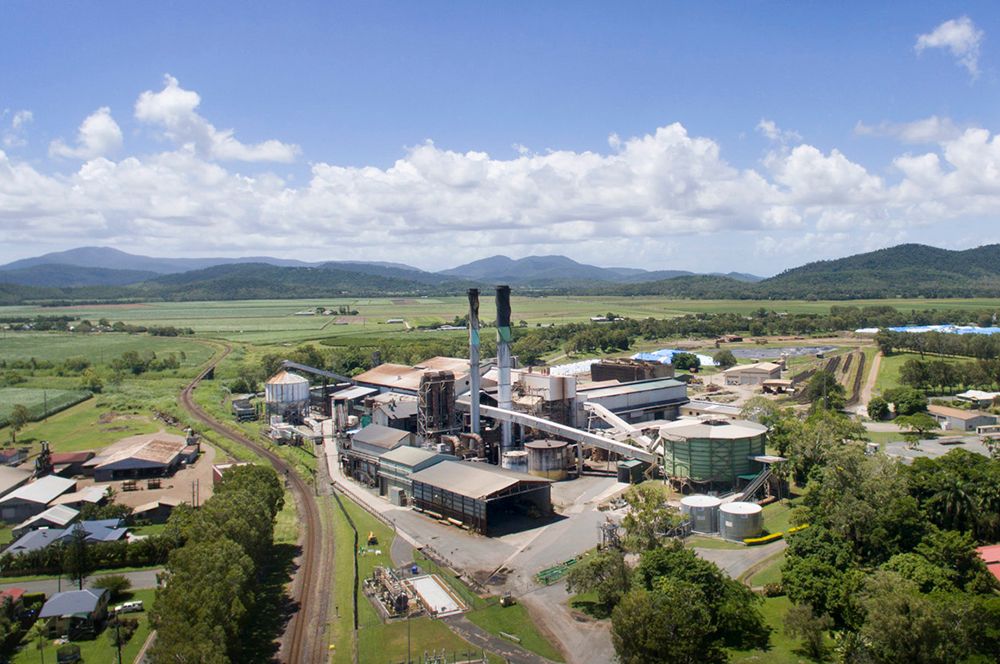
Every month, new proponents and investors are looking to Mackay and the Greater Whitsunday region as a destination for biomanufacturing ventures. The reliable availability of sugarcane provides an immediate strategic advantage, supported by world-class infrastructure, established industry expertise, and consistent supply chains. These strengths enable the production of bio-based food, fuel, and material inputs at competitive costs, positioning the region as a natural choice for scaling biomanufacturing in Australia.
Sugarcane’s legacy of productivity, innovation, and resilience has laid the groundwork for this future. Its transformation from a traditional commodity to a catalyst for new industries demonstrates why the Greater Whitsunday region is uniquely placed to lead in Australia’s biomanufacturing revolution.
Supporting Infrastructure, Transport, Ports, Supply Chain and Utilities
The Greater Whitsunday region is underpinned by strong infrastructure that enables industry to operate efficiently and at scale.
From connected transport corridors and globally linked ports to established utilities and supply chain networks, the region is well-equipped to support both existing sectors and emerging industries like biomanufacturing.
Key export ports—including the Port of Mackay and Abbot Point, operated by North Queensland Bulk Ports (NQBP)—provide reliable, high-capacity connections to domestic and international markets. These ports are already integral to regional supply chains and continue to be enhanced through ongoing infrastructure investment.
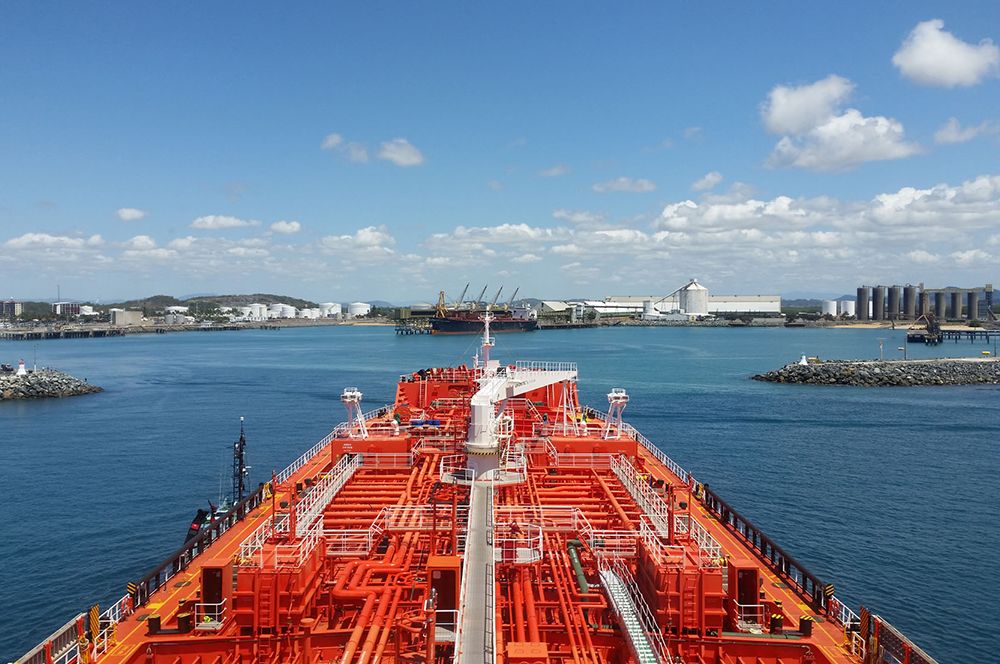
The broader transport network strengthens this advantage. Major road and rail corridors link industrial precincts with ports, airports, and key regional centres. Mackay serves as a central logistics hub, offering strong intermodal connections and dependable freight routes that enable the efficient movement of goods—essential for industries reliant on timely delivery.
Industrial precincts across the region add further value. Areas such as Paget in Mackay offer well-developed zones with advanced manufacturing and engineering capability, while long-standing processing infrastructure in the sugar industry is increasingly being positioned to support diversification. The Racecourse Precinct, for example, demonstrates how existing assets can be leveraged for future industry growth.
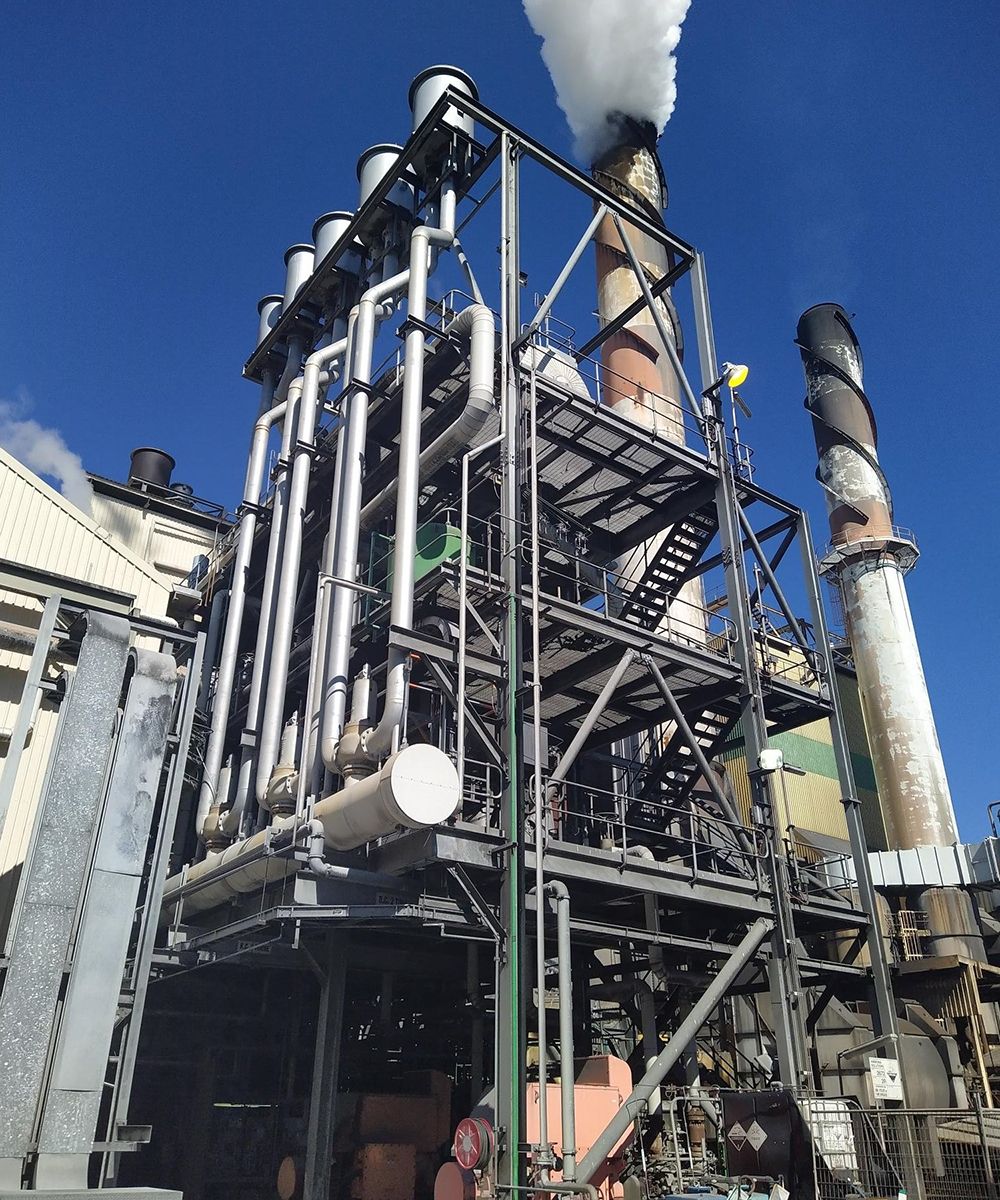
Reliable utilities also support the region’s industrial potential. Power, water, and waste systems have been built to meet the needs of high-demand users and continue to offer the capacity and stability needed for industry expansion. These systems are complemented by a growing interest in future-focused infrastructure solutions.
Together, these transport, port, utility, and supply chain assets form a strong, interconnected platform that gives the Greater Whitsunday region a competitive edge. With proven capability already in place and room to grow, the region is well positioned to support the infrastructure needs of biomanufacturing and other advanced industries.
Transport Infrastructure and Services
The Greater Whitsunday region benefits from an integrated and multi-modal transport system that enables the efficient movement of goods, services and feedstocks — a vital enabler for biomanufacturing.
Roads, rail, and ports are strategically linked, offering strong domestic and international connectivity. Together, they support established industries and create a ready-made foundation for emerging opportunities.
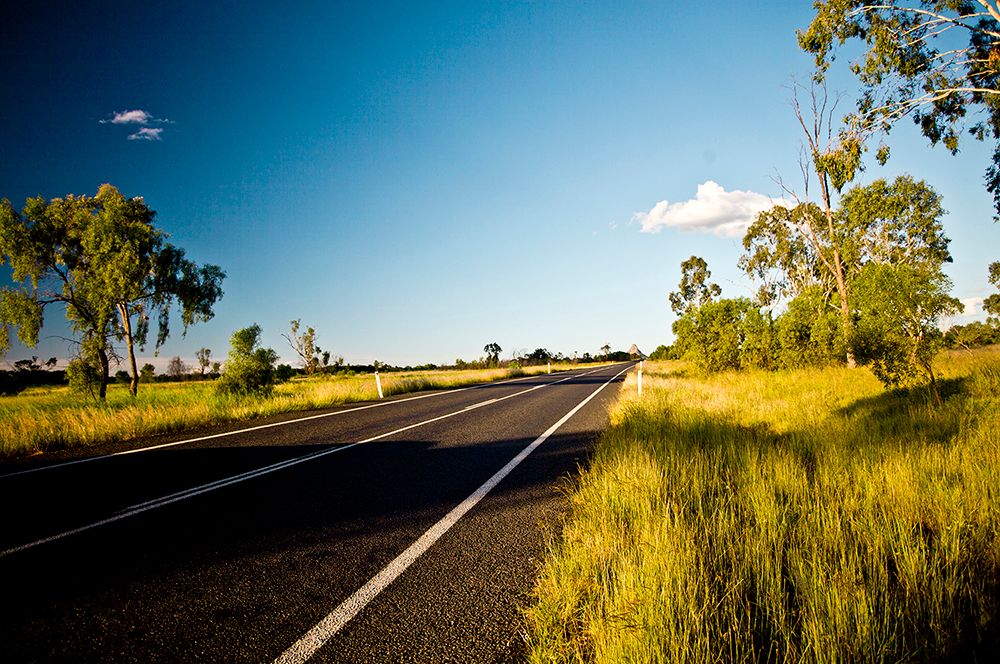
The region’s road network includes key freight routes such as the Bruce Highway, connecting major centres and industrial precincts to ports and processing sites. B-double approved routes (designed for large articulated trucks with two trailers) are common throughout the region, helping to move bulk goods and equipment at scale. Recent road upgrades have further strengthened access between inland resource areas and coastal logistics hubs.
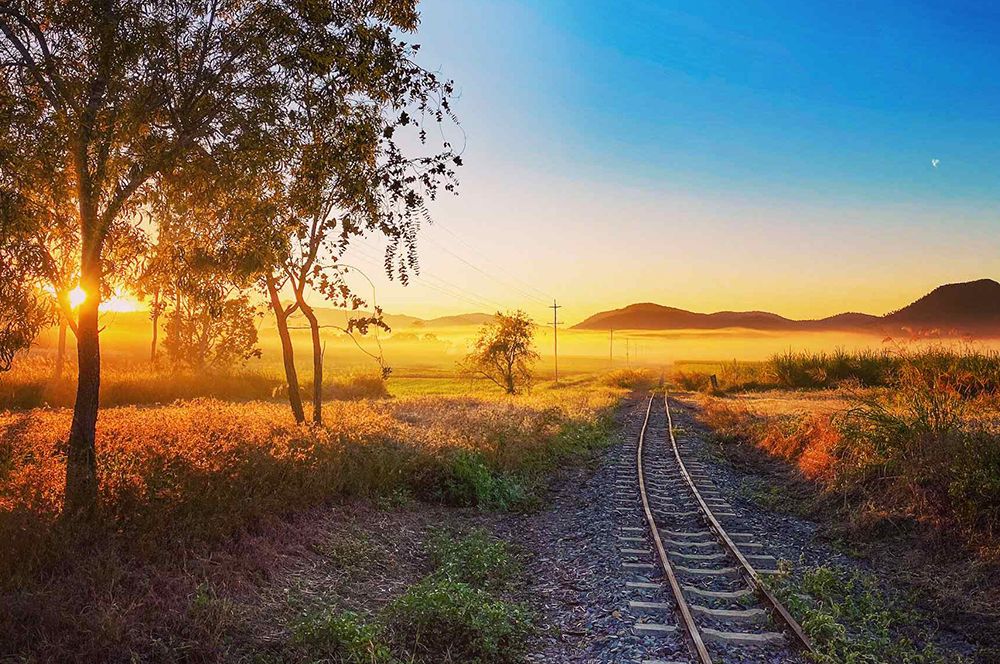
The extensive rail network also supports regional industry. In addition to the main Queensland Rail freight lines that connect the Bowen Basin, Mackay, and the Port of Mackay, the region is home to one of the largest sugarcane rail networks in Australia. Spanning thousands of kilometres and linking farms with mills, the cane rail system represents a unique logistics asset that moves vast volumes of agricultural biomass — a feedstock of increasing importance to biomanufacturing. This infrastructure offers future opportunity to expand or repurpose transport corridors to support circular economy industries.
Ports play a central role in the region’s transport mix. North Queensland Bulk Ports Corporation (NQBP) manages the Port of Mackay and Abbot Point, two export gateways that service regional supply chains and global markets. These ports are already handling a wide range of commodities and continue to benefit from investment in capacity and efficiency. In addition, the region is also home to two other bulk port precincts servicing the resources industry at Hay Point and Dalrymple Bay.
Ongoing investment in transport infrastructure ensures the region can continue to meet evolving industry needs. Intermodal connections, efficient freight corridors, and strong port access are all key ingredients in ensuring biomanufacturing can scale efficiently — supported by an established network that already knows how to move product.
Case Study - North Queensland Bulk Ports (NQBP)
North Queensland Bulk Ports Corporation (NQBP) plays a pivotal role in facilitating trade and supporting industry across the Greater Whitsunday region. NQBP manages four ports across northern Queensland, three of which are located within the Greater Whitsunday region: Port of Mackay, Port of Abbot Point, and Port of Hay Point. These regional ports support the movement of diverse commodities including sugar, coal, fuel, grain, and mining equipment. This multi-commodity expertise positions NQBP as a critical enabler for emerging industries like biomanufacturing, which require reliable and adaptable logistics solutions.
The Port of Mackay is a versatile, multi-commodity port with strong connections to both traditional industries and new opportunities. It plays an essential role in supporting mining equipment imports, fuel distribution, and agricultural exports, particularly sugar and grain — key feedstocks for biomanufacturing. The port’s strategic upgrades over recent years have expanded storage capacity, strengthened berth infrastructure, and improved intermodal access. Importantly, it has also been positioning itself for future industries by exploring containerisation options and enhancing its ability to handle project cargo, such as wind turbine components. This adaptability makes the Port of Mackay well-placed to support the logistics needs of new and emerging industries without compromising its existing role.
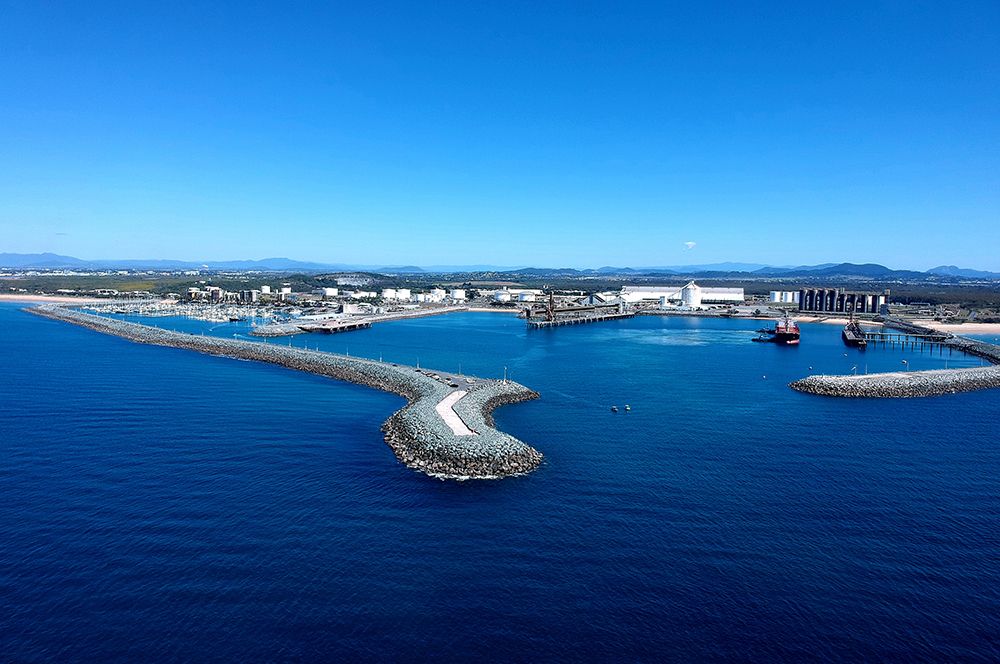
Located near Bowen, the Port of Abbot Point is a deepwater facility primarily known for coal exports and other bulk materials, but with untapped potential for broader economic contribution. Its marine offloading facility supports the transfer of large-scale equipment by barge, reducing reliance on road freight and opening opportunities for more flexible logistics solutions. While coal remains the dominant trade, the port is the focus of long-term master planning to guide sustainable development through to 2050. This includes exploring how Abbot Point could be leveraged for diversified industries and export activities, supporting regional resilience as the economy transitions.
South of Mackay, the Port of Hay Point is one of the world’s largest metallurgical coal export facilities, but it too is starting to look beyond its traditional role. NQBP has begun investigating the potential for hydrogen exports from Hay Point, recognising its strategic location, scale, and deepwater access. These early-stage discussions are part of a broader ambition to align port infrastructure with Queensland’s emerging renewable energy and decarbonisation priorities. Hay Point’s established freight corridors and global trade links could be instrumental in enabling clean energy exports and industrial transformation in the region.
Together, these three ports reflect the operational strength, strategic foresight, and cross-industry experience that position NQBP as a key infrastructure partner for the Greater Whitsunday region. Rather than operating in isolation, each port brings unique capabilities to a shared logistics network that underpins existing trade and enables future industries like biomanufacturing to scale with confidence.
Facilities Infrastructure, Utilities and Companion Market Opportunities
The Greater Whitsunday region offers a strong foundation of site-ready facilities and essential services that position it well for biomanufacturing growth. These assets, coupled with the region's exsisting industrial capabilities, create the conditions for scalable and efficient operations.
Across the region, established industrial zones already support sectors that share commonalities with biomanufacturing — such as food processing, sugar milling, and advanced engineering. While locations like Paget, Bowen, Nebo and Sarina have been long recognised for their industrial contribution, their relevance now lies in the infrastructure that underpins them: zoned and serviced land, proximity to utilities, and access to skilled workforces. Their existing infrastructure and utilities make them well suited for clean, high-value manufacturing processes — including biomanufacturing — and offer potential for adaptive reuse or further development.
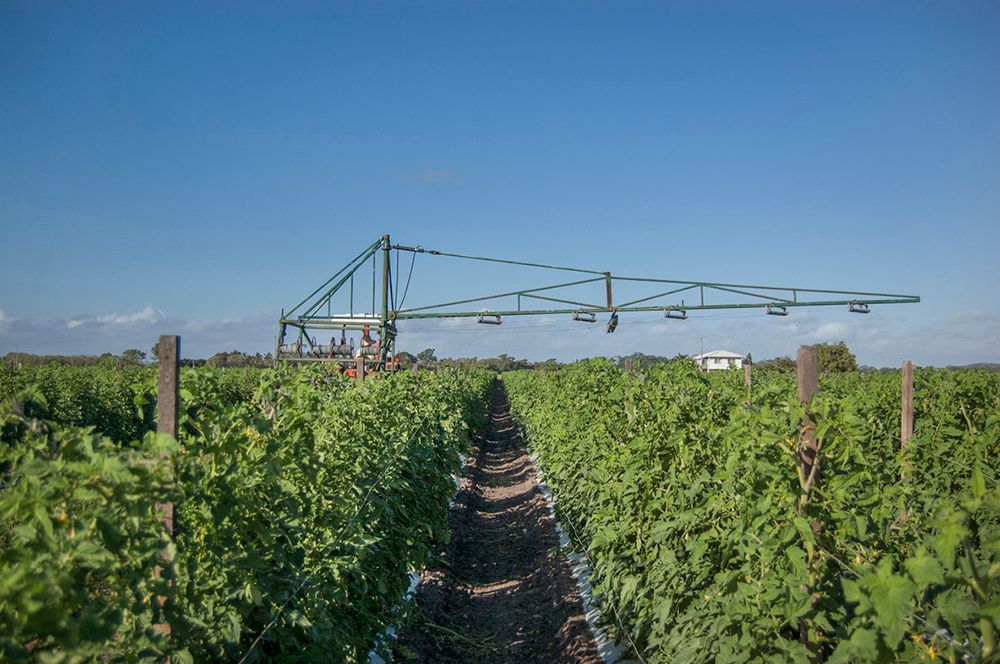
Utility infrastructure is a key enabler of this potential. The region benefits from robust and scalable power, water, and wastewater systems, with the capacity to meet the needs of high-volume industrial users. Continued investment and upgrades have strengthened this capacity and provide long-term confidence for future industry growth. Consistent servicing is particularly important for biomanufacturing operations, which rely on stable inputs and tightly controlled processing environments. Industrial precincts across the region are also seeing improvements in digital connectivity, supporting automation, remote monitoring, and data-driven production.
The Racecourse Sugar Mill precinct is a standout example of how existing infrastructure can support emerging industries. As one of the few mills in Queensland with integrated co-generation and bio-processing capacity, it is well positioned for diversification. Ongoing exploration of new uses — including biomanufacturing applications — points to the value of building on legacy assets to create future-focused precincts.
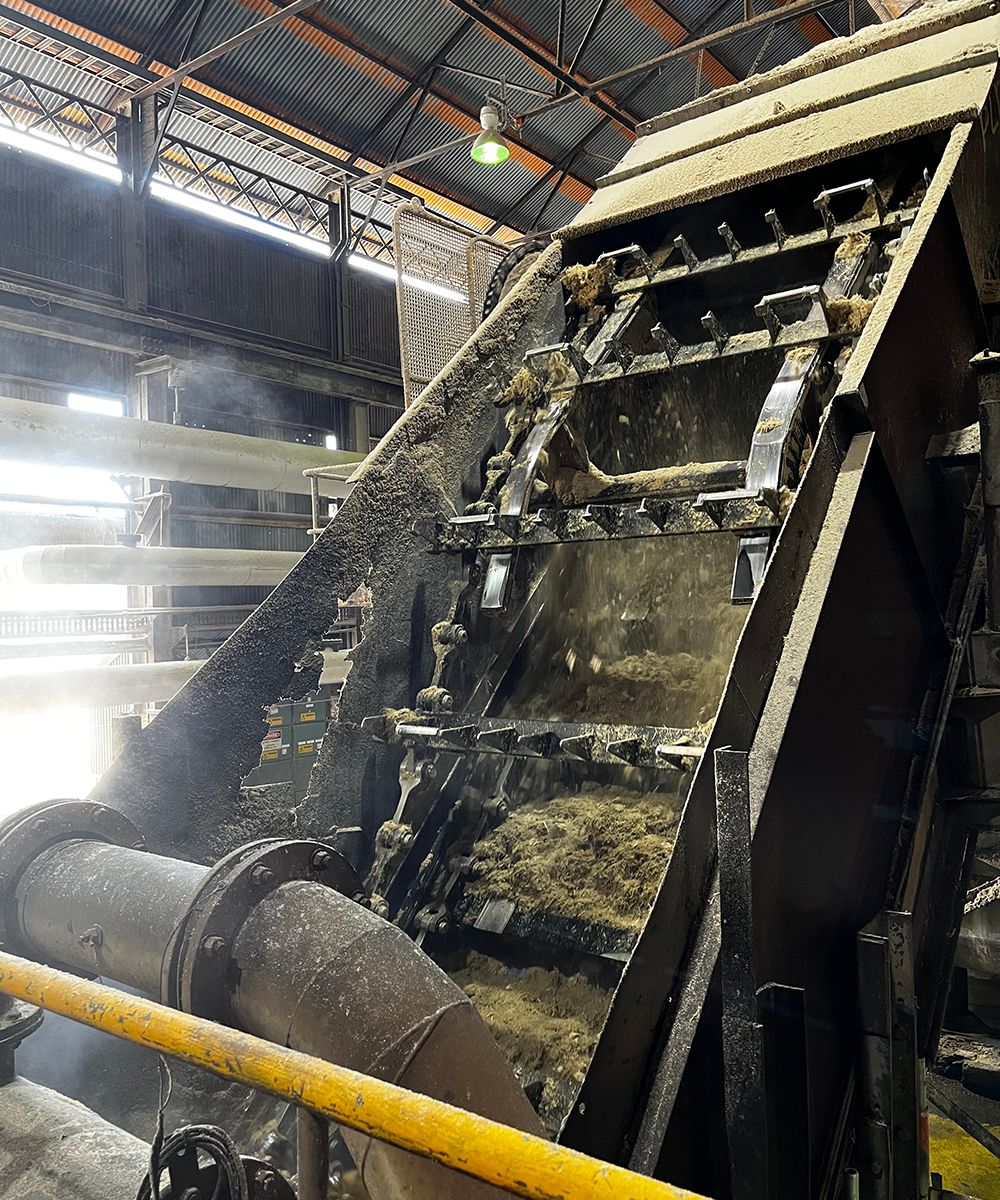
The region’s broader industrial landscape also creates companion market opportunities. Strong agricultural and food sectors provide a steady flow of biomass and organic by-products, while mining, energy, and resource industries offer shared capabilities in process engineering and logistics. These existing supply chains and markets can support biomanufacturing either as input providers or as downstream customers in new product development — contributing to a more circular and efficient industrial ecosystem.
Together, these facilities, utilities, and companion industries create an enabling environment for biomanufacturing to thrive. With the right conditions already in place, the Greater Whitsunday region presents a compelling opportunity for clean, future-ready manufacturing investment.
Case Study - Racecourse Sugar Refinery
The Racecourse Sugar Refinery, co-located beside Mackay Sugar’s Racecourse Mill, is Australia’s largest and most advanced sugar refining facility. It produces around 380,000 tonnes of refined sugar each year — the equivalent of 380 million 1kg bags of sugar — all sourced from locally grown sugarcane in the Mackay region.
Operated by Sugar Australia, the refinery supplies refined sugar to the iconic CSR Sugar brand and services both domestic and international markets. Since commencing production in 1994, it has been designed for continuous operation with minimal maintenance shutdowns, enabling high-volume, efficient processing.
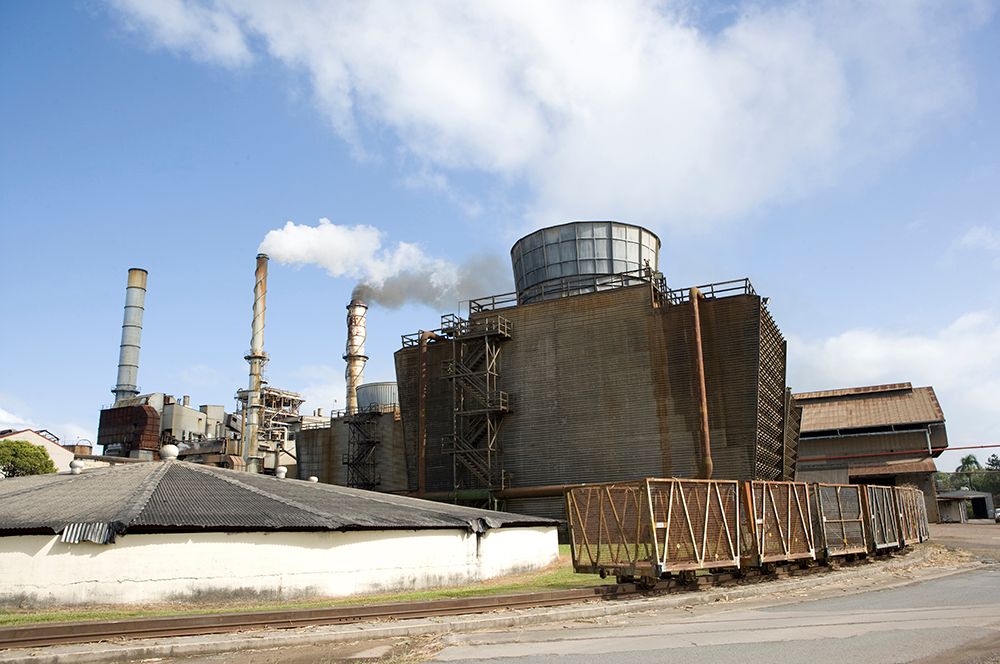
The refinery is integrated into a broader industrial ecosystem, benefiting from co-location with the cogeneration plant and proximity to supply chains, utilities, and skilled labour. This integration demonstrates the region’s industrial maturity and highlights the potential for transitioning legacy infrastructure into future-focused, clean manufacturing hubs.
As a high-performing, large-scale facility, the Racecourse Sugar Refinery exemplifies the infrastructure readiness and industry capability that make the Greater Whitsunday region well positioned for biomanufacturing growth.
Energy and Water
Reliable access to energy and water is essential for biomanufacturing operations. The Greater Whitsunday region offers strong, scalable infrastructure in both areas — a reflection of its industrial history and growing role in Queensland’s energy transition.
The region sits at the centre of Queensland’s electricity network and is already home to major energy users across mining, refining and manufacturing. This is driving continued investment in high-capacity transmission infrastructure and reliable grid access across all three local government areas. These existing strengths are now being complemented by a significant pipeline of renewable energy projects, including large-scale solar and wind farms that feed into the national electricity market. As Queensland accelerates toward a low-emissions future, these renewable projects are expanding energy capacity and improving resilience. This positions the region to offer cleaner, more sustainable power options to new and emerging industries, including biomanufacturing, while maintaining competitive access to electricity at scale.
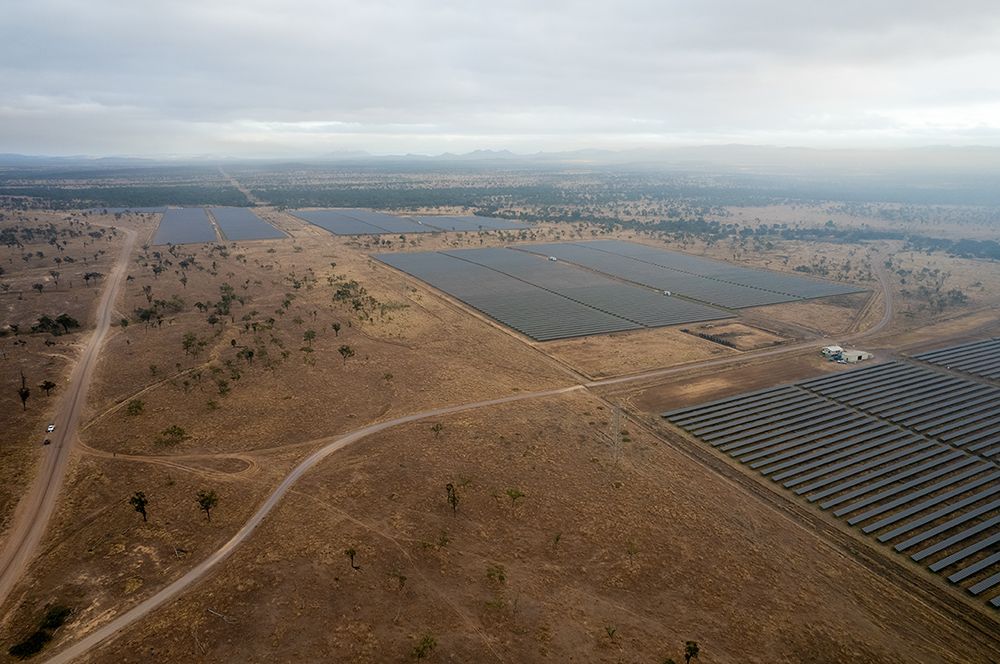
Water availability is another regional strength. The Greater Whitsunday region, particularly Mackay and Whitsundays, benefits from abundant rainfall, supporting surface and groundwater systems that feed into well-established water networks across the region. Industrial precincts are well-serviced by existing water and wastewater infrastructure, with future planning in place to support growth.
The Greater Whitsunday region is well-positioned to support existing industry plus additional agricultural growth through its strategic water resources — with climate resilience built into future planning. Existing infrastructure, including Teemburra, Peter Faust, and Burdekin Falls dams, provides substantial storage capacity, while proposed developments such as the Bowen Pipeline project could unlock additional new high-priority water for irrigation and agribusiness.
The region also benefits from underutilised allocations and strategic reserves across key water supply schemes. Additionally, the region’s coordinated planning and strategic investment in water infrastructure — including pipeline expansions and mine water reuse schemes — position it as a highly attractive location for scalable, water-secure agribusiness development.
Together, these energy and water advantages contribute to a strong foundation for sustainable biomanufacturing. The combination of reliable utilities, renewable energy momentum and water security positions the Greater Whitsunday region as a capable and future-focused location for investment and development.
Precinct Development Opportunities
To support the successful emergence of a biomanufacturing industry, regions need to offer more than just opportunity — they need the right places for businesses to land and grow. Recognising this, the Greater Whitsunday region undertook detailed research to identify locations that could feasibly support biomanufacturing activity, both now and into the future.
This analysis considered factors such as feedstock proximity, infrastructure, utilities, logistics, and co-location potential and resulted in five strategic precincts being identified across the region.
The five identified precincts include:
- Abbot Point State Development Area (SDA) – Strategically positioned with deepwater port access, this site is ideal for large-scale industrial development and export-focused biomanufacturing projects. Its proximity to potential northern feedstocks adds to its appeal.
- Port of Mackay – A key logistics hub with established freight infrastructure, the Port of Mackay offers strong connectivity and access to central feedstock sources. Its existing industrial base supports integration with biomanufacturing operations.
- Racecourse Mill – Located alongside one of the region’s major sugar mills, this site provides immediate access to biomass feedstock, established utilities, and is supported by existing industrial infrastructure.
- Rosella – Located close to the Racecourse precinct, Rosella offers expansion potential with industrial zoning, strong infrastructure links, and access to utilities.
- Nebo Industrial Estate – Positioned inland with available industrial land, Nebo provides an opportunity to extend biomanufacturing activity beyond the coast. Its access to western feedstock sources and growing industrial interest adds to its strategic value.
Two of these sites — Racecourse Mill and Rosella — together form the Mackay State Development Area (SDA), a key enabler for industrial growth. SDAs are defined areas of land established by the Queensland Government to promote economic development. Managed by the Coordinator-General, they offer streamlined planning and approval processes, dedicated infrastructure planning, and long-term certainty for investors. For biomanufacturing proponents, this translates to lower barriers to entry and greater confidence in project viability.
Each of these precincts brings a different mix of strengths, allowing flexibility for various types of biomanufacturing ventures to establish and scale. Backed by strong regional collaboration, planning frameworks, and economic development leadership, these sites position the Greater Whitsunday region as not only ready, but ideal for biomanufacturing investment.
The Abbot Point State Development Area (SDA)
The Abbot Point State Development Area (SDA) stands as a premier location for large-scale industrial development in Queensland. Strategically positioned adjacent to the Port of Abbot Point—one of Queensland's priority ports—the Abbot Point SDA offers unparalleled access to global markets, making it an ideal site for export-oriented industries.
Established to facilitate industrial and port-related development of regional, state, and national significance, the Abbot Point SDA encompasses approximately 16,885 hectares. A significant portion of this land is state-owned, with the Coordinator-General holding around 3,322 hectares and the Minister for Economic Development Queensland (EDQ) owning approximately 6,328 hectares.
One of the key advantages of the Abbot Point SDA is its distance from urban areas (170 kilometres north of Mackay, 25 kilometres north of Bowen), which allows for the development of industries with significant land and operational requirements without encroaching on residential communities.
Additionally, the Abbot Point SDA offers:
- Proximity to Port: Immediate access to the Port of Abbot Point facilitates efficient import and export operations.
- Transport Connectivity: Easy access to rail and road networks, including the Bruce Highway, ensures seamless logistics and supply chain integration.
- Planning Certainty: The development scheme provides a clear framework for development, offering greater certainty for project proponents.
- Utilities Potential: Strategic planning has identified dedicated corridors for key utilities, offering a clear pathway for the development of water, energy, and wastewater infrastructure to support emerging industrial needs.
- Skilled Workforce: The nearby town of Bowen offers access to a diverse and skilled workforce, supporting various industrial activities
For biomanufacturing enterprises, the Abbot Point SDA presents a unique opportunity to establish operations within a well-planned, strategically located industrial hub. Its combination of ample land, robust infrastructure, and proximity to export facilities makes it an attractive option for companies aiming to scale their operations and access international markets.
Port of Mackay
The Port of Mackay serves as a pivotal maritime gateway for Central Queensland, offering strategic advantages for industries seeking efficient import and export operations. Managed by North Queensland Bulk Ports Corporation (NQBP), the port is integral to the region's economic framework, supporting both the mining and agricultural sectors.
The port's infrastructure is designed to accommodate a diverse range of cargoes including fuel, sugar and grains, with an annual throughput exceeding 3.5 million tonnes. At present, the port handles around 200 ships per year however the existing infrastructure and configuration could accommodate 550 to 600 ships. Additionally, the port has a combined import and export capacity of more than six million tonnes per year, approximately double what current trade sits at. This available capacity signals significant room for growth, presenting a valuable opportunity for emerging industries like biomanufacturing to leverage established infrastructure without requiring major new investment.
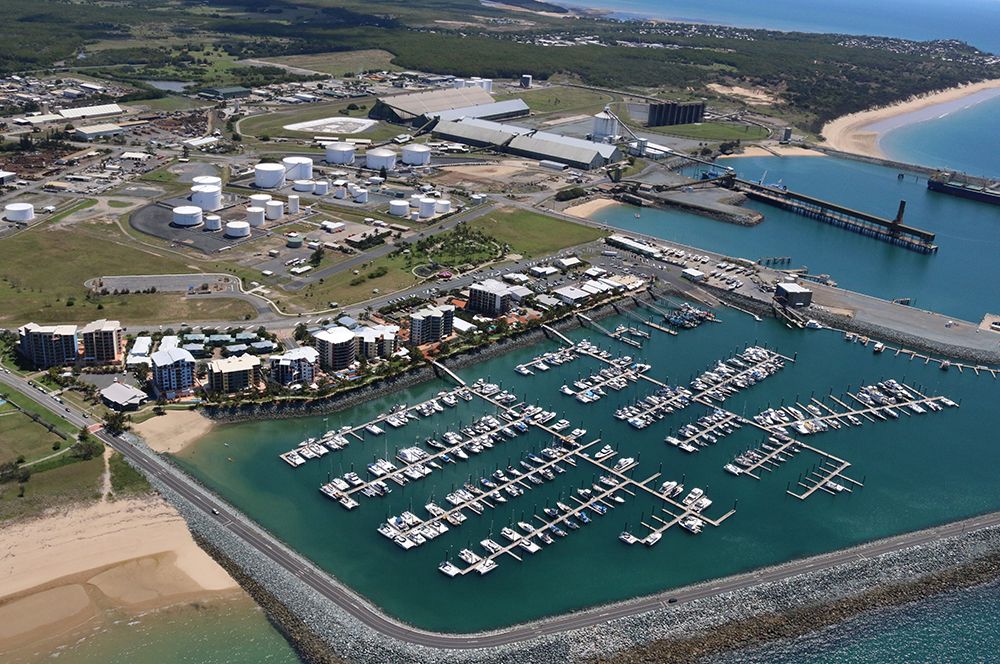
Key attributes of the Port of Mackay include:
- Proximity to Industrial Precincts: Close to established industrial areas, enabling efficient integration with processing and export operations.
- Transport Connectivity: Direct access to road and rail infrastructure, including the Bruce Highway and Mackay Ring Road, supports streamlined freight movement.
- Infrastructure Development: Recent upgrades to wharf and water infrastructure, along with plans for new laydown areas, enhance capacity for future trade and container growth.
- Established Utilities: The port is supported by existing water, energy, and wastewater infrastructure, reducing lead times for new developments.
- Planning Certainty: A single landowner and planning authority ensures coordinated decision-making under a clear land use plan.
- Skilled Workforce: Only 5 kilometres north of Mackay CBD, there is strong access to a diverse and experienced workforce across mining, agriculture and logistics sectors.
The Port of Mackay’s strategic location, robust infrastructure, and supportive planning environment make it an attractive location for biomanufacturing companies looking to establish or expand operations in Central Queensland.
Mackay State Development Area (SDA)
Declared in February 2024, the Mackay State Development Area (SDA) encompasses 907 hectares across two non-contiguous precincts: Racecourse Mill (137 ha) and Rosella (770 ha).
This SDA aims to diversify the regional economy by leveraging Mackay's strengths in agriculture, particularly sugarcane production, to support emerging industries such as biomanufacturing, renewable energy, and sustainable aviation fuel.
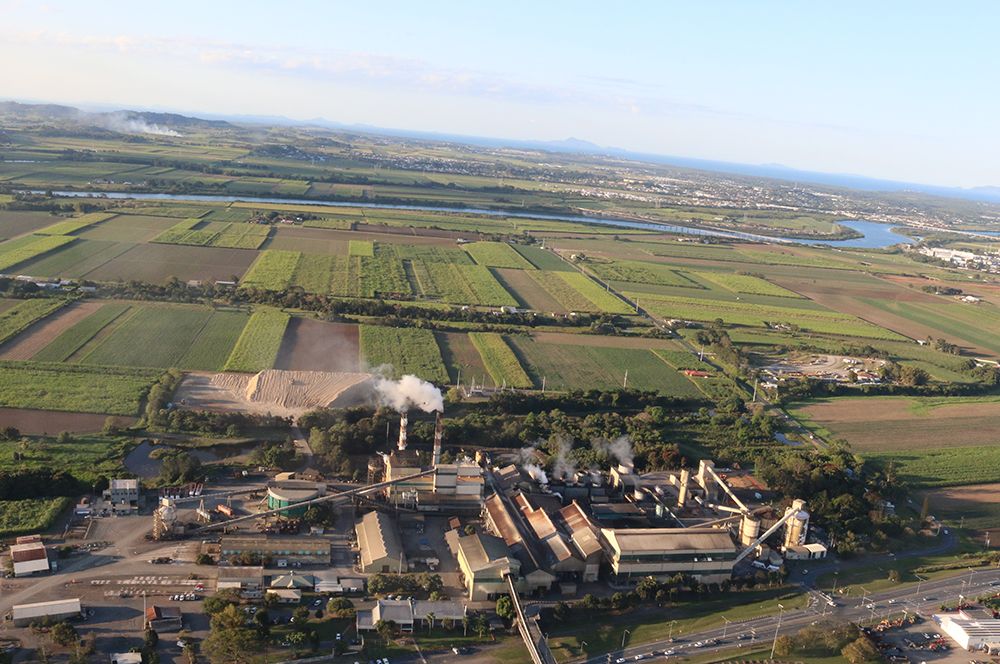
Each precinct offers unique opportunities for development:
- Racecourse Mill: Situated approximately 5 km west of Mackay's central business district, this area is centred around the established Racecourse Mill and associated infrastructure.
- Rosella: Located about 10 km south of Mackay, adjacent to the Mackay Ring Road, this larger precinct provides ample space for industrial development.
Racecourse Mill
The Racecourse Mill precinct (137 ha) within the Mackay SDA is a unique opportunity site closely integrated with the Mackay Sugar mill and surrounding infrastructure. It is specifically suited to industries that benefit from proximity to bio-based feedstocks and circular economy principles, including advanced biomanufacturing.
Racecourse Mill offers a rare advantage in the form of existing co-location opportunities with a working sugar mill and access to molasses, bagasse, and other biomass materials.
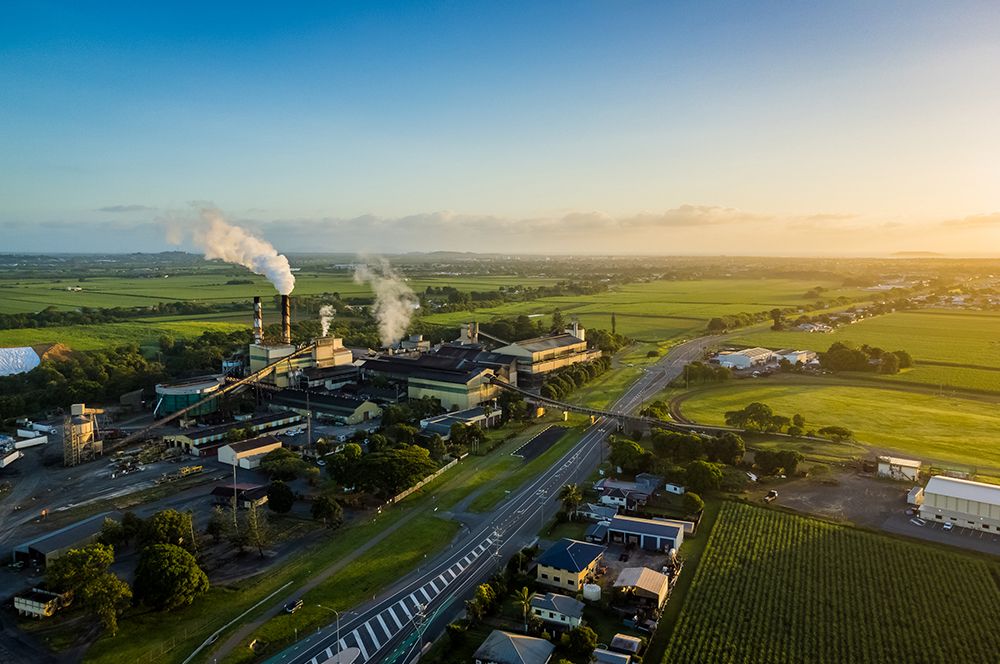
Key advantages of the Racecourse Mill precinct include:
- Feedstock Access: Direct adjacency to the Mackay Sugar’s mill and ethanol distillery enables ready access to biomass and bio-industrial inputs, including bagasse and molasses.
- Circular Economy Potential: The site's location supports circular economy models, offering potential for resource-sharing, utilities integration, and value-added processing of sugar industry by-products.
- Transport Connectivity: The site is within close proximity to the Bruce Highway and the Port of Mackay, offering efficient logistics and supply chain integration.
- Utilities Integration: Co-location with the operational mill enables potential access to behind-the-meter power and steam, creating efficient and sustainable utility solutions for industrial users.
- Planning Certainty: The site is governed under the Mackay SDA Development Scheme, providing clarity and consistency for proponents seeking development approvals.
- Skilled Workforce: Located in Mackay, the site is supported by a highly capable local workforce with experience in industrial operations, agriculture, and engineering.
These advantages make the Racecourse Mill precinct an ideal location for biomanufacturing proponents seeking co-location with existing sugar processing operations and integrated utilities.
Rosella
The Rosella precinct offers 770 hectares of primarily greenfield land, strategically positioned adjacent to key urban and transport corridors. It presents a longer-term industrial development opportunity, particularly for industries requiring large, contiguous parcels of land with future infrastructure scalability.
Located southwest of Mackay’s urban footprint, Rosella is suited to businesses looking for proximity to regional logistics networks while maintaining flexibility for staged development over time. While the site is currently less developed than Racecourse Mill, its size and location position it as a strategic asset in supporting emerging industries.
Key advantages of the Rosella precinct include:
- Future Growth Potential: The Rosella precinct offers significant land availability for medium to large-scale industrial operations, ideal for businesses with long-term expansion plans.
- Strategic Location: Its proximity to Mackay’s urban area and the Bruce Highway provides easy access to major transport routes and regional services.
- Planning Certainty: As part of the Mackay SDA, the site is covered by a structured development scheme that offers a clear framework for industrial growth.
- Scalable Infrastructure: While less established, Rosella’s greenfield status allows for flexible infrastructure planning and tailored development to meet specific operational needs.
- Regional Workforce Access: The site benefits from nearby residential areas and training facilities, providing access to a growing and diverse labour pool.
With its greenfield flexibility and strategic location, Rosella is well-positioned to accommodate biomanufacturing developments seeking scalable, purpose-built facilities.
Nebo Industrial Estate
The Nebo Industrial Estate is strategically located in the Isaac Region, approximately 90 kilometres southwest of Mackay, along the Peak Downs Highway. Currently home to a number of operational businesses primarily servicing the mining sector, it presents a valuable opportunity for industry growth, supported by available land, essential infrastructure, and proximity to both workforce and freight corridors.
Nebo’s location along a designated B-Double route connecting the Bowen Basin to the Port of Mackay ensures efficient road freight access. B-double (designed for large articulated trucks with two trailers) routes allow for larger freight vehicles with two trailers, commonly used in Australia to transport heavier loads more efficiently, reducing the number of truck movements required.
Infrastructure upgrades, including a water treatment plant, reservoir, and wastewater servicing, have strengthened the precinct’s development readiness. The area also benefits from connection to energy networks and telecommunications infrastructure, including NBN fixed wireless.
With 98.4 hectares of vacant land currently available—including approved subdivisions and Council-owned parcels—and a further 74.4 hectares identified for future expansion, the estate offers options for both immediate development and long-term industrial growth. Nebo’s proximity to key resource and agricultural regions, and access to skilled labour and worker accommodation, enhance its appeal for investors seeking a central, well-serviced base in the Greater Whitsunday region.
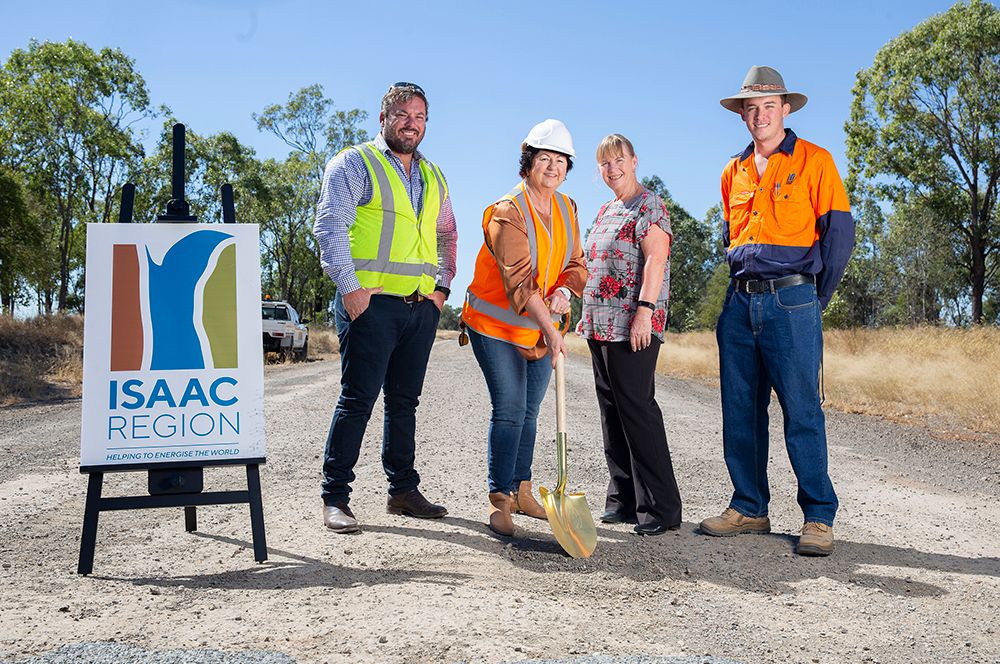
Key advantages of the Nebo Industrial Estate include:
- Established Industrial Base: The site is an active industrial area supporting low and medium impact uses, with existing businesses and infrastructure in place.
- Road Freight Access: Located on the Peak Downs Highway, the precinct has B-Double access linking it directly to the Bowen Basin and Port of Mackay.
- Infrastructure Readiness: The site is connected to water, sewer, electricity, and telecommunications services, with recent upgrades enhancing development potential.
- Skilled Workforce: The precinct benefits from access to skilled staff, labour, equipment suppliers and local accommodation.
- Strategic Industry Linkages: The precinct is located near key agricultural and resource sector assets, providing potential feedstocks for biofutures and circular economy industries.
With its established industrial base, infrastructure readiness, and proximity to potential feedstocks, the Nebo Industrial Estate offers a strategic location for biomanufacturing developments focused on circular economy solutions and regionally sourced inputs.
Dynamic Workforce Development
The Greater Whitsunday region is known for its hardworking, adaptable workforce and is highly experienced when it comes to building the skills needed for a thriving biomanufacturing sector. While the full workforce picture is still being assembled, all the necessary pieces are already here — and stakeholders across government, industry, and the community are actively collaborating to develop a biomanufacturing workforce plan. Workforce development is not a new conversation for the Greater Whitsunday region; it’s a shared priority with real momentum behind it.
The region has demonstrated this capacity in the past. Whether responding to changes in mining technology or meeting the needs of a growing aquaculture sector, the region has a track record of upskilling at pace to meet industry shifts. The same approach is now being applied to biomanufacturing, with early work underway to build the food-grade and advanced manufacturing skillsets required for scale-up.
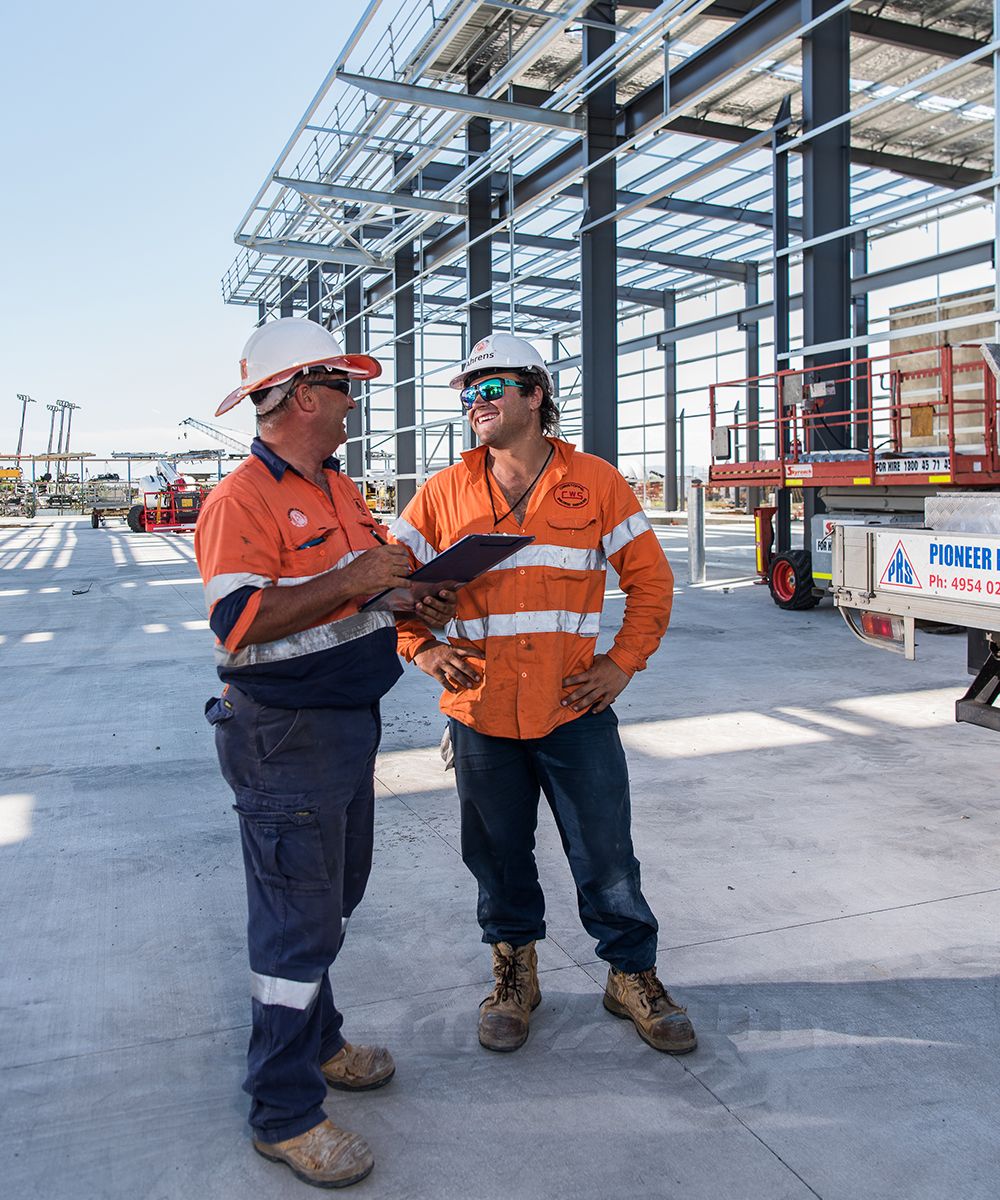
A major strength lies in the crossover potential from the established METS (Mining, Equipment, Technology and Services) sector. The Greater Whitsunday region is home to the largest mining services industrial precinct in the southern hemisphere, the Paget Industrial Estate. In addition, there are METS precincts spread across the wider Greater Whitsunday region. With that comes a deep pool of technical expertise, problem-solving ability, and innovation culture that biomanufacturing can directly benefit from. With high-skill capabilities in engineering, automation, logistics, and compliance, the METS sector is a powerful foundation for accelerating biomanufacturing capability in the region.
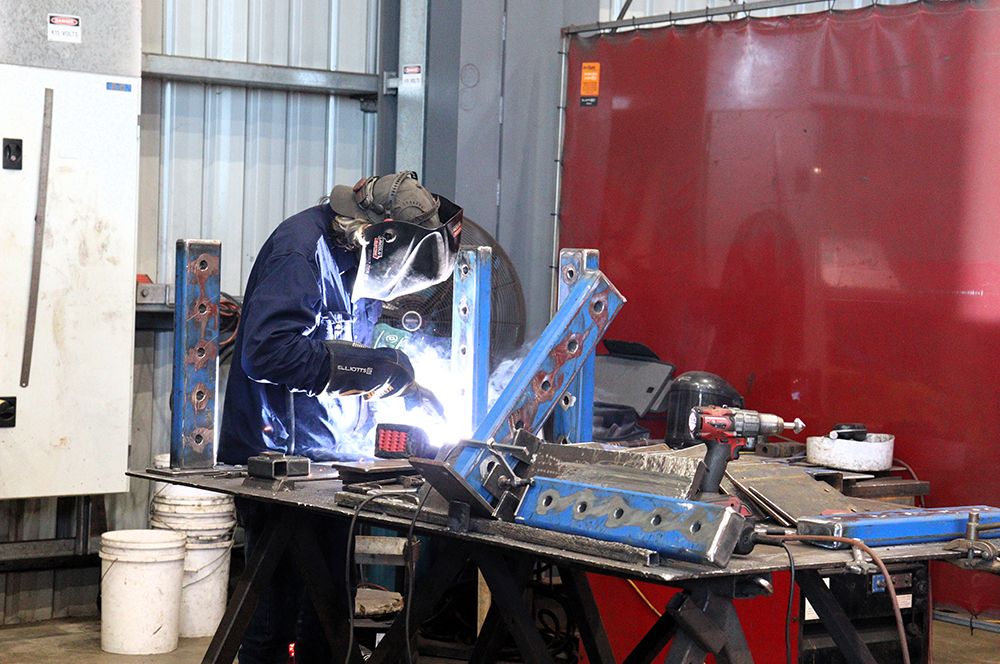
Beyond the METS sector, the region’s deep expertise in sugar milling and processing provides another strong foundation for biomanufacturing. As a long-standing cornerstone industry, sugar has shaped a skilled workforce familiar with complex processing environments, quality assurance, logistics, and operational efficiency. Many of these existing skills — particularly in fermentation, engineering, and plant operations — are highly transferable to biomanufacturing contexts. This industrial legacy means the region isn’t starting from scratch; it’s evolving from a solid, experience-rich base.
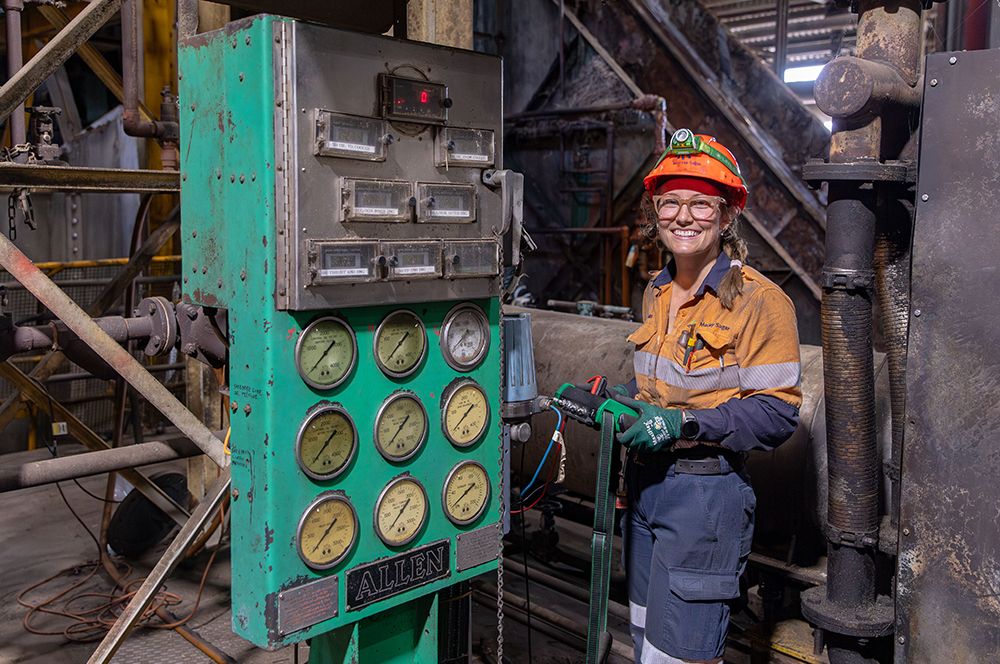
The Greater Whitsunday’s track record in rapidly activating and upskilling its workforce, particularly in response to changes in the mining and resources sectors, positions us well to do the same in biomanufacturing. Given the region's experience and rapid deployment of workforce development strategies, there is great confidence an established and capable biomanufacturing workforce pipeline could be realised within two years of commercial investment.
What sets Greater Whitsunday apart is not just experience and expertise — but how we work together to mobilise people, fill gaps, and deliver on opportunity.
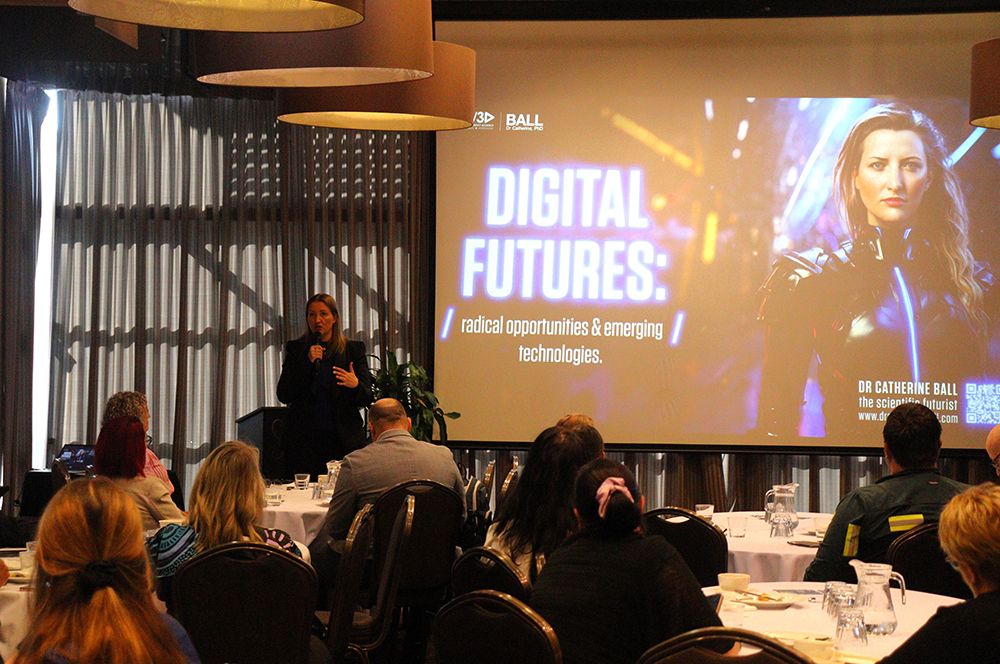
Case Study - Queensland Future Skills Partnership
The Greater Whitsunday region has consistently demonstrated its capacity to design and deliver workforce development programs that effectively address regional skills gaps and align with emerging industry needs. A standout example is the Queensland Future Skills Partnership (QFSP), a collaborative initiative involving BHP Mitsubishi Alliance (BMA), TAFE Queensland, and CQUniversity Australia.
Launched in August 2019, the QFSP was established to respond to rapid technological shifts across traditional industries such as mining. Through strong collaboration between education providers and industry, the partnership delivered targeted training aligned to real-world job requirements. New micro-credentials and short courses were co-designed with industry input, resulting in practical, job-ready skills that translated directly into employment outcomes. Importantly, the program also helped local employers build confidence in a regional workforce ready to transition into new technologies and roles.
The QFSP’s innovative approach has been recognised with several prestigious awards:
- Outstanding Training Initiative of the Year at the 2021 Resources Training Council's Innovative Skilling Awards
- Premier’s Industry Collaboration Award at the 2022 Queensland Training Awards
- Silver Medal in the Industry Collaboration category at the 2022 Australian Training Awards
These accolades underscore the partnership’s effectiveness in addressing workforce challenges through innovative training solutions.
The region’s experience with the QFSP has established a replicable framework that is perfectly suited to emerging industries such as biomanufacturing. This includes:
- Deep regional partnerships with industry, education providers, and local government
- Co-design of skilling pathways based on specific job roles and future workforce demand
- Flexible delivery models, including micro-credentials and blended learning
- Ongoing wraparound support for both participants and employers
With a clear understanding of regional dynamics, demonstrated results in skilling and employment outcomes, and a strong commitment to innovation, the region is well positioned to apply this model to biomanufacturing.
Case Study - Aquaculture and Agriculture Tech Skills Hub
The Greater Whitsunday region is a major contributor to Queensland’s agriculture and aquaculture production. To support the industries' rapid shift toward digital and automated technologies, a broad coalition of regional partners established the Aquaculture and Agriculture Tech Skills Hub — a coordinated initiative aimed at equipping current and future workforces with skills in emerging technologies.
Jointly funded through the Australian Government’s Regional Recovery Partnerships program, Greater Whitsunday Alliance (GW3), and Regional Development Australia Greater Whitsunday, the initiative was delivered in collaboration with the Queensland Government, TAFE Queensland, CQUniversity, industry, and community partners. Together, the partnership addressed core challenges including high training delivery costs, low enrolments, and urgent skills gaps emerging from new technologies.
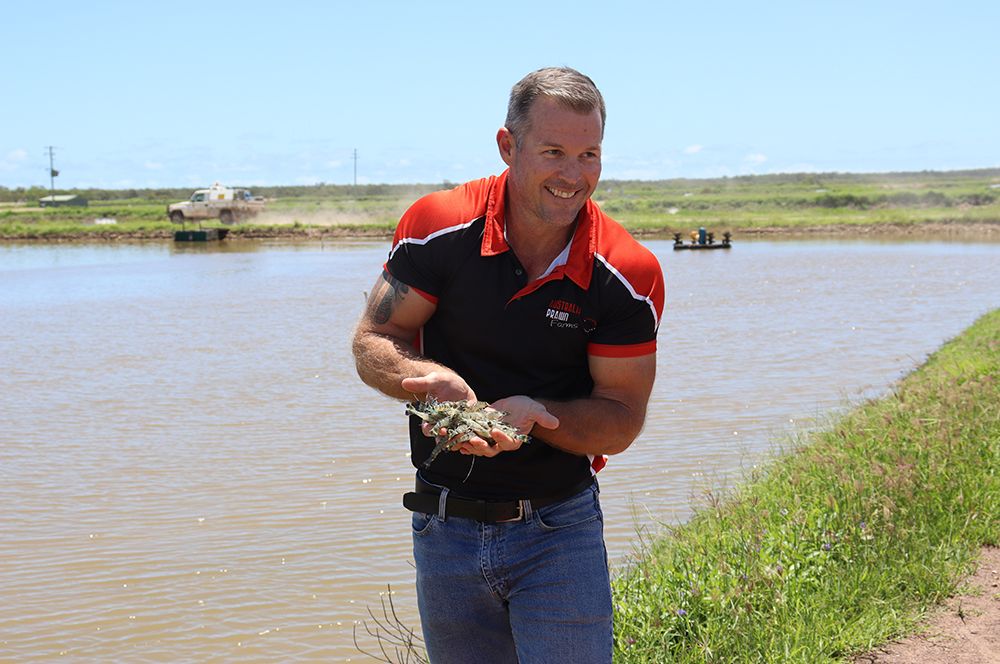
The Skills Hub focused on building capability and career pathways across aquaculture, horticulture, sugar, and beef sectors. Key outcomes include:
- Over $2.3 million in investment to drive workforce development
- 5100+ micro-credential enrolments between October 2023 and August 2024
- Delivery of 22 AgTech-focused micro-credentials, two entry-level qualifications, and accredited skillsets including Aquaculture Technology and Geospatial Technologies
- Creation of trade taster programs targeting school students, including immersive, hands-on activities and engagement with local industry
- Certificate II programs in Aquaculture, Rural Operations (Autonomous), and Autonomous Technologies initiated with multiple cohorts
The initiative has proven highly effective in both upskilling existing workers and attracting younger participants into evolving career pathways. Of the 117 students who participated in taster programs between May and October 2024, 46% expressed interest in pursuing further study in Certificate II programs, and 82% reported a stronger understanding of career options in the sectors.
The Skills Hub’s success demonstrates how regional partnerships can overcome systemic challenges in training delivery and workforce attraction. Its flexible model — blending micro-credentials, immersive tech, industry-aligned qualifications, and early engagement — provides a strong foundation for application in other future-focused industries, including biomanufacturing.
Proven Research Capability
The Greater Whitsunday region may be regional, but it's far from remote when it comes to research capability.
We’ve already laid the foundations to support innovation in emerging industries like biomanufacturing, with infrastructure and academic partnerships in place and growing.
At the heart of our regional research offering is the Pioneer Biopilot, operated by Queensland University of Technology (QUT) and located at the Racecourse Mill. As Australia’s only publicly accessible biorefinery-scale pilot plant, it’s already been a testbed for converting biomass into sustainable fuels and materials. With recent investment from the Australian and Queensland Governments, the plant is now being upgraded to support food-grade processing, opening doors for innovation in precision fermentation and novel foods.
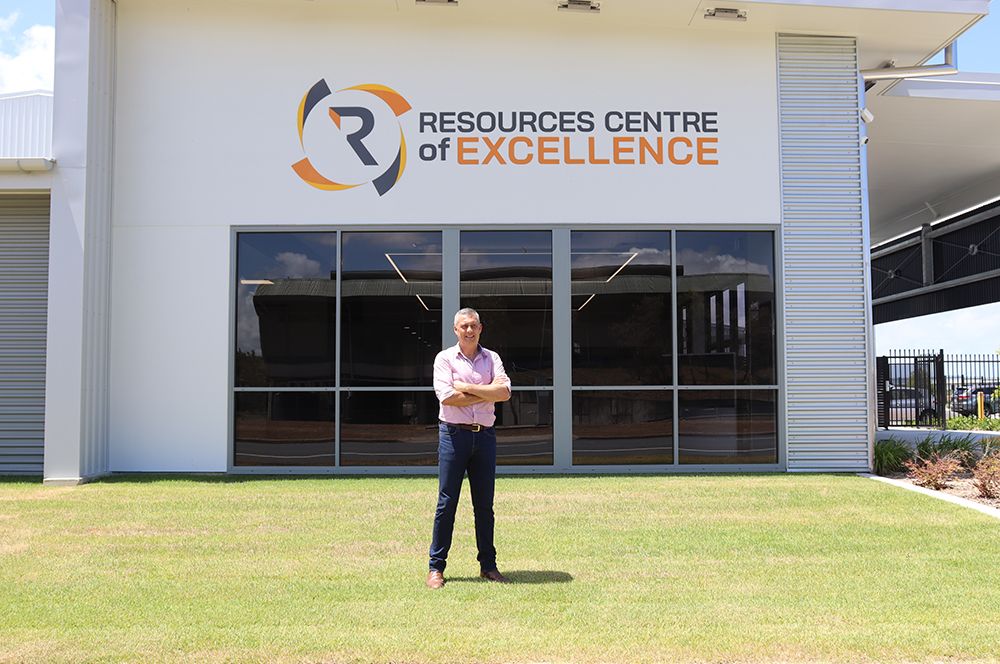
Also located in Mackay is the Resources Centre of Excellence (RCOE) — a research and training facility with strong ties to the region’s world-leading METS (mining equipment, technology and services) sector. While originally designed for the resources industry, its collaborative model and infrastructure offer valuable opportunities for cross-sector innovation, including biomanufacturing. A broader innovation ecosystem to support the existing work of the RCOE is being built in region, including the Future Industries Hub in Mackay and the Isaac Resources Excellence Precinct in Moranbah.
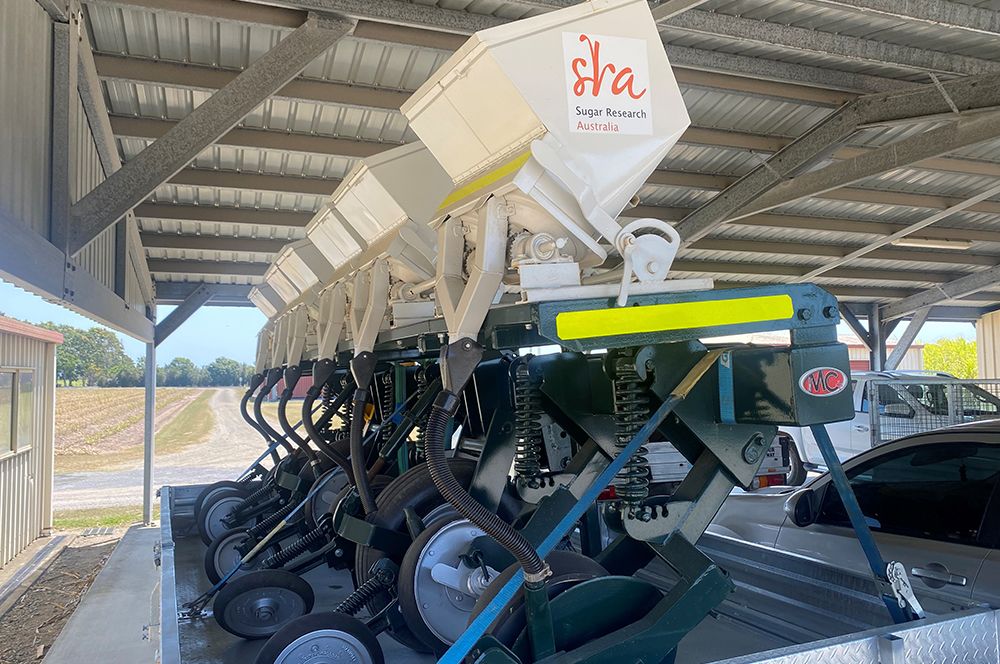
Beyond dedicated biomanufacturing and resources research, the Greater Whitsunday region has a strong and diverse education and training ecosystem that reflects its commitment to innovation and future-focused industries. Central Queensland University (CQU) is Australia's only dual-sector tertiary education facility and boasts a major campus in Mackay and additional regional locations. CQUniversity plays a key role in delivering industry-relevant research and qualifications across many disciplines.
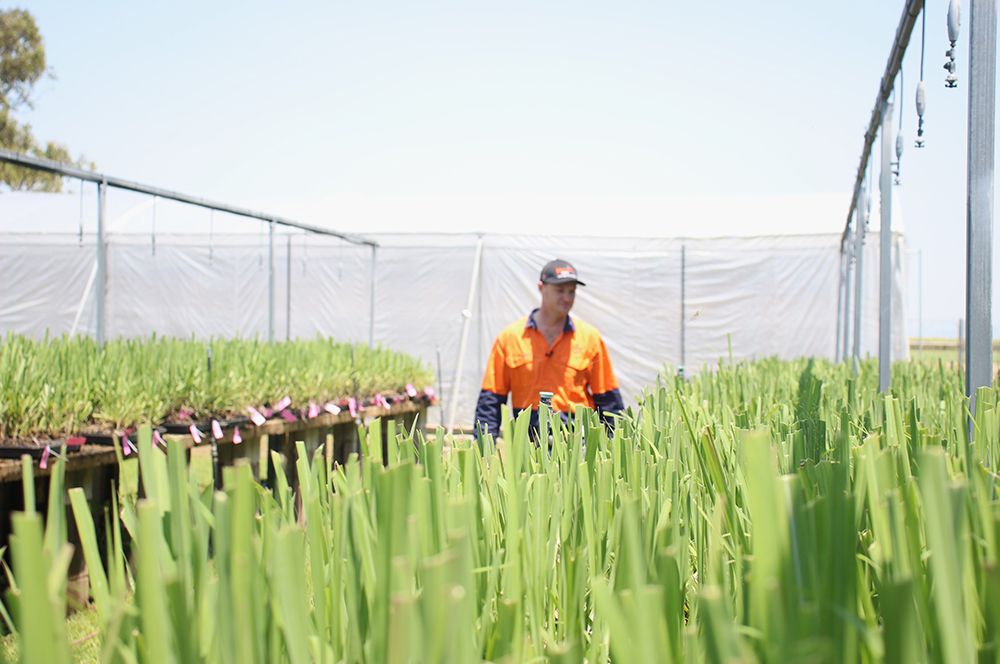
In addition to CQUniversity's VET offering, the region also has the presence of TAFE Queensland in the northern zone, to deliver vital vocational education and training across multiple campuses, supporting local workforce growth across emerging and established sectors. The Mackay Engineering College (MEC), a purpose-built senior secondary training facility, plays a critical role in developing trade and technical skills in partnership with local industry. Together, these institutions create a pipeline of talent and knowledge-sharing that reflects the region’s strong culture of research, education, and collaboration across sectors.
Our region’s research capability is not an emerging aspiration — it’s an established strength. With real infrastructure, skilled researchers, and a track record of translating science into commercial outcomes, the Greater Whitsunday is ready to support the scale-up of biomanufacturing across the value chain.
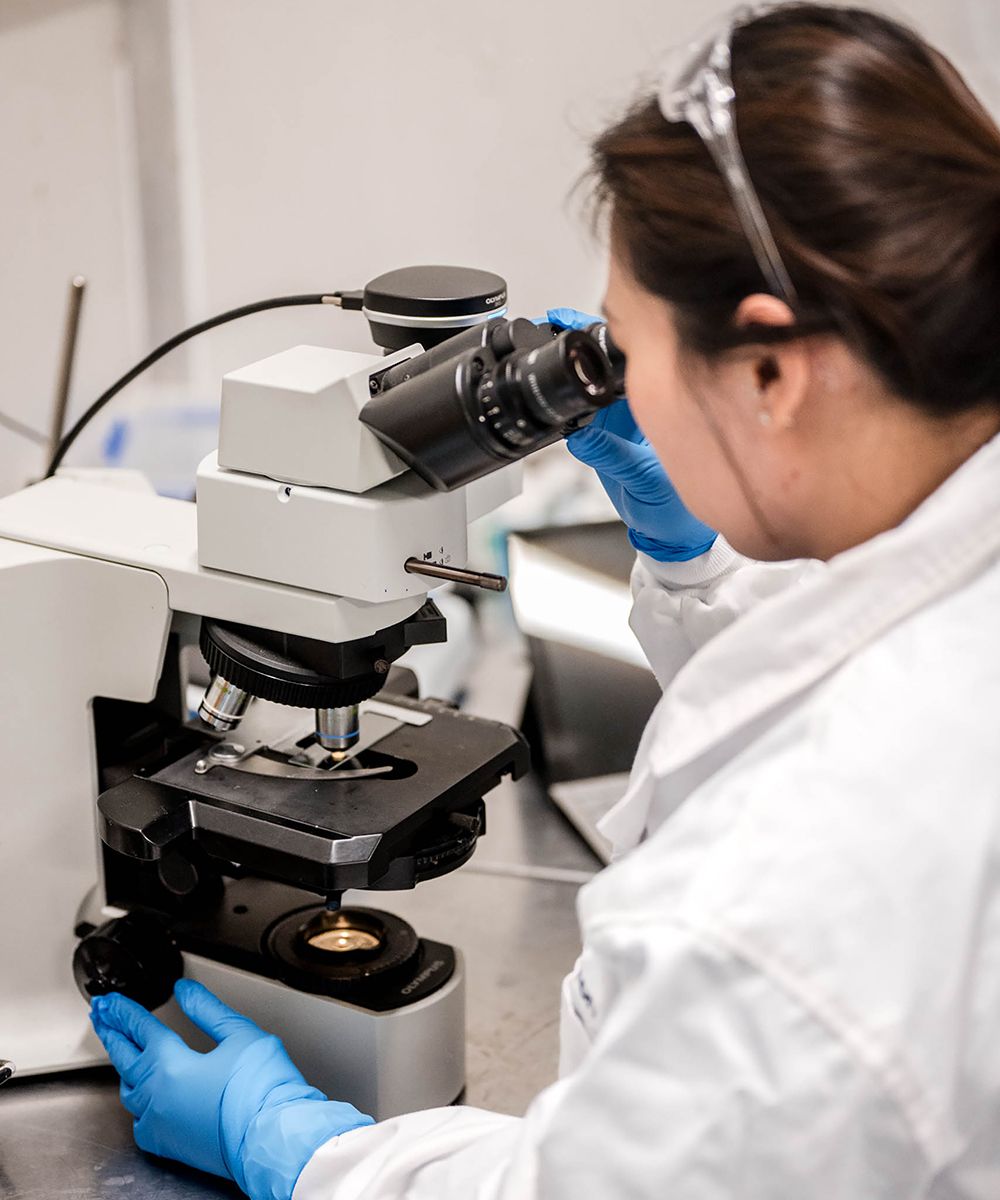
Case Study - Pioneer Biopilot
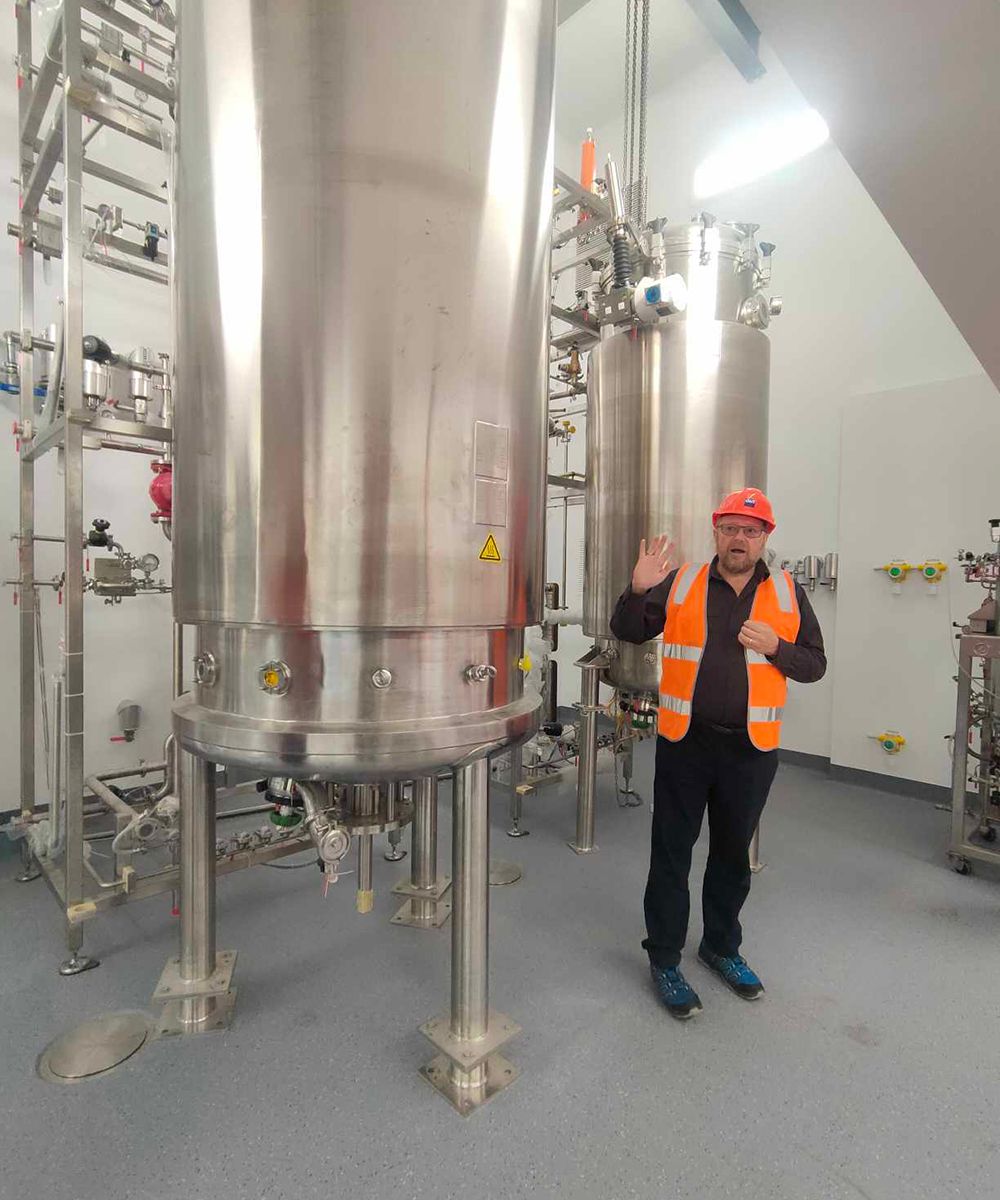
The QUT Pilot Plant supports the development, scale up and commercialisation of sustainable biomanufacturing technologies, which are critical for the establishment of new industries in regional Australia, value add to agricultural production and provide sustainable foods, fuels and chemicals needed into the future. Located at the Racecourse Sugar Mill, the pilot plant has been operated by QUT since 2010 as a leading industry-oriented research facility, solving real industry problems and translating research into commercial solutions. With the emergence of synthetic biology and precision fermentation as drivers of the next generation of biomanufacturing, QUT has undertaken an $18 million upgrade of the pilot plant with support from the Commonwealth and Queensland Governments, and Australia’s Food and Beverage Accelerator. This will support the development of regional biomanufacturing industries in the growth areas of synthetic biology, future foods, biomaterials, personal care and wellness products, food and feed supplements and plant extracts. The facility upgrade will enhance the pilot plant’s capability in biomass processing, fermentation, and downstream processing, to develop technologies and products in these growth areas whilst improving upon current capability to support development of biofuels and biochemical manufacturing.
Case Study - Resource Centre for Excellence, Future Industries Hub & Isaac Resources Excellence Precinct
The Greater Whitsunday region is rapidly emerging as a national leader in applied research and innovation for the resources sector.
At the heart of this transformation is the Resources Centre of Excellence (RCOE) — a purpose-built facility in Paget, Mackay that brings together collaboration, experimentation, and industry-led problem-solving.
Since opening, the RCOE has welcomed over 20,000 visitors and users, including 500 companies. It offers a world-class simulated underground mine, flexible research and training spaces, and an industry-connected environment where educators, researchers, and businesses come together to tackle real-world challenges and fast-track change.
The next phase of this innovation ecosystem is the Future Industries Hub (the Hub), which expands the scope of the RCOE to support both traditional resource industries and the industries of the future. Anchored by the state-of-the-art critical minerals Flexi-Lab, the Hub will help expand the region’s innovation ecosystem to support advanced manufacturing, industrial research, and global supply chain readiness — ensuring the Greater Whitsunday region stays competitive in both traditional and future-facing sectors.
Importantly, the Future Industries Hub also presents a promising opportunity to support emerging sectors such as biomanufacturing. As a collaborative platform, the Hub will be able to support high-potential industries like biomanufacturing, providing dedicated space for cross-sector collaboration, skills-building, and applied research.
Adding further strength to this regional innovation network is the Isaac Resources Excellence Precinct, a bold new initiative to develop a skilled, diverse workforce and help “energise the world”. Now fully funded with $42 million secured, the precinct has transitioned from concept to implementation and is set to open in 2027. It will play a critical role in:
Growing and diversifying the resources industry
Strengthening environmental, social and governance (ESG) credentials and protecting the environment
Fostering coexistence and sustainable communities
Ensuring strong and genuine partnerships with First Nations communities
Building a safe and resilient future workforce
Improving regulatory efficiency
Together, the Resources Centre of Excellence, the Future Industries Hub, and the Isaac Resources Excellence Precinct form a powerful platform for applied research, industry collaboration, and workforce development. They show how the Greater Whitsunday region is not only solving today’s challenges — but creating space for the industries of the future, including biomanufacturing, to thrive here.
ESG & Sustainability Targets and Commitments
Environmental, social, and governance (ESG) expectations are now a defining feature of how businesses operate, invest, and grow.
ESG is a framework that considers how organisations manage environmental impacts, social responsibility, and ethical governance — alongside their financial performance. Whether through decarbonisation targets, community engagement, or supply chain transparency, ESG commitments are increasingly seen as core to meeting broader sustainability goals and achieving long-term economic success.
Globally, businesses are responding to a clear direction of travel: sustainability and ESG performance are no longer optional, they are expected. The United Nations’ Sustainable Development Goals (SDGs) provide a universal framework for action, while the Paris Agreement sets legally binding climate targets that require coordinated decarbonisation across industries.
Beyond climate, attention is turning toward broader environmental and social risks — including biodiversity, waste, modern slavery, and human rights. Global expectations are being reinforced through reporting standards, market regulations, and investor requirements.
Australia’s regulatory and policy environment reflects this shift. At a national level, the Australian Government has committed to achieving net zero emissions by 2050, with interim targets and climate legislation in place. It is also mandating climate-related financial disclosures for large companies and financial institutions from 2025 — a move that will have flow-on effects for regional supply chains.
Workplace health and safety (WHS) and ethical procurement are also deeply embedded into how business is done in Australia. From Indigenous engagement strategies to compliance with modern slavery legislation, there is a strong regulatory and cultural focus on ensuring responsible operations.
Sustainability and ESG performance are increasingly influencing where businesses choose to operate — and how regions present their value proposition. For the Greater Whitsunday region, ESG is more than a set of compliance obligations. It is a lens through which the region is approaching growth, diversification, and investment.
Biomanufacturing as an ESG Enabler
Biomanufacturing is emerging as a powerful tool in the global shift toward more sustainable, ethical, and resource-efficient systems.
By applying biotechnology to produce everyday materials—like food, fuel, fibres, and ingredients—without relying on traditional animal, plant, or fossil-based sources, biomanufacturing offers regions a way to reduce environmental impact while driving new economic growth.
From an ESG perspective, the advantages are compelling. Biomanufacturing enables businesses to reduce their carbon footprint and use natural resources more efficiently. It supports emissions reduction, cuts down on land and water use, and can help divert organic waste into new value streams. In the future foods space, for example, it’s now possible to create milk without cows, or eggs without chickens—delivering protein-rich products with a fraction of the environmental footprint. This emerging industry isn’t about replacing traditional sectors but complementing them—creating new ways to meet growing demand as global populations rise and resources become more constrained.
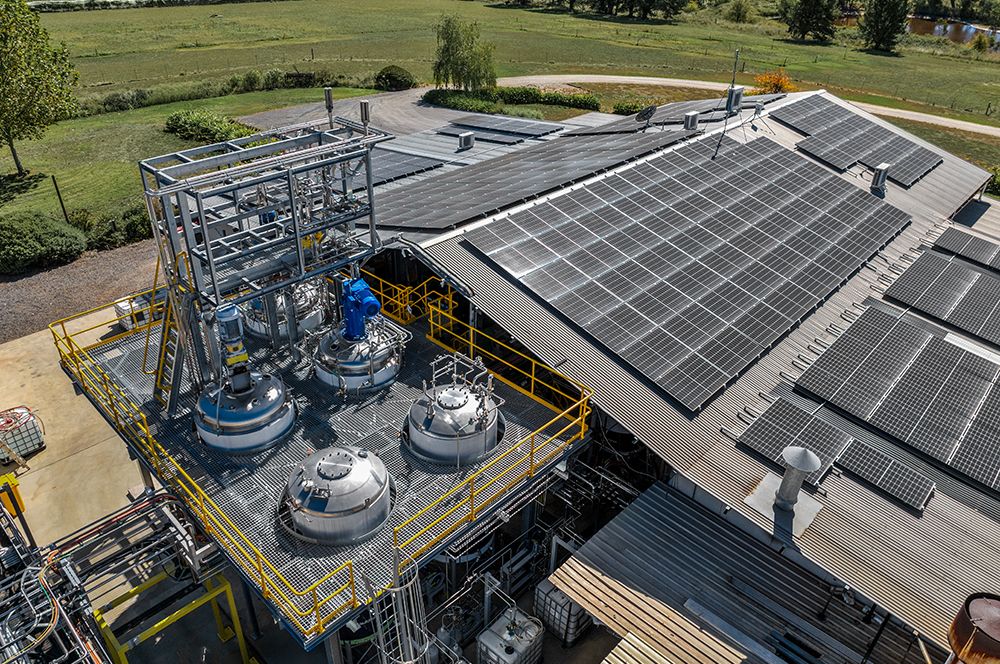
On the social front, biomanufacturing promotes ethical production methods, strengthens regional food security, and creates new skilled jobs in science, technology, and advanced manufacturing. Its focus on traceability and circular design aligns well with growing expectations around governance, including transparency, ethical sourcing, and investor reporting.
For the Greater Whitsunday region, biomanufacturing presents a unique and timely opportunity to support ESG-aligned diversification. With established strengths in agriculture, sugarcane, and resource industries, the region is well positioned to supply inputs, infrastructure, and innovation to this emerging sector.
As ESG and sustainability considerations continue to shape investment and industry priorities, biomanufacturing stands out as a practical enabler of positive change. It represents a way for regions like Greater Whitsunday to do more with less—creating value, reducing impact, and accelerating the transition to a more sustainable future.
A Region Committed to Sustainable Industry Transformation
The Greater Whitsunday region is no stranger to transformation. For decades, our industries have been adapting to meet new expectations — not just in productivity and competitiveness, but in sustainability and environmental responsibility. Long before ESG became a global focus, sectors like sugar and agriculture were already investing in more sustainable practices, balancing economic output with care for the land, water, and communities that support them.
Initiatives like the Reef protection regulations and the voluntary Smartcane BMP (Best Management Practice) program demonstrate the region’s ongoing commitment to responsible land and water management, ensuring farming practices protect the Great Barrier Reef while supporting industry viability.
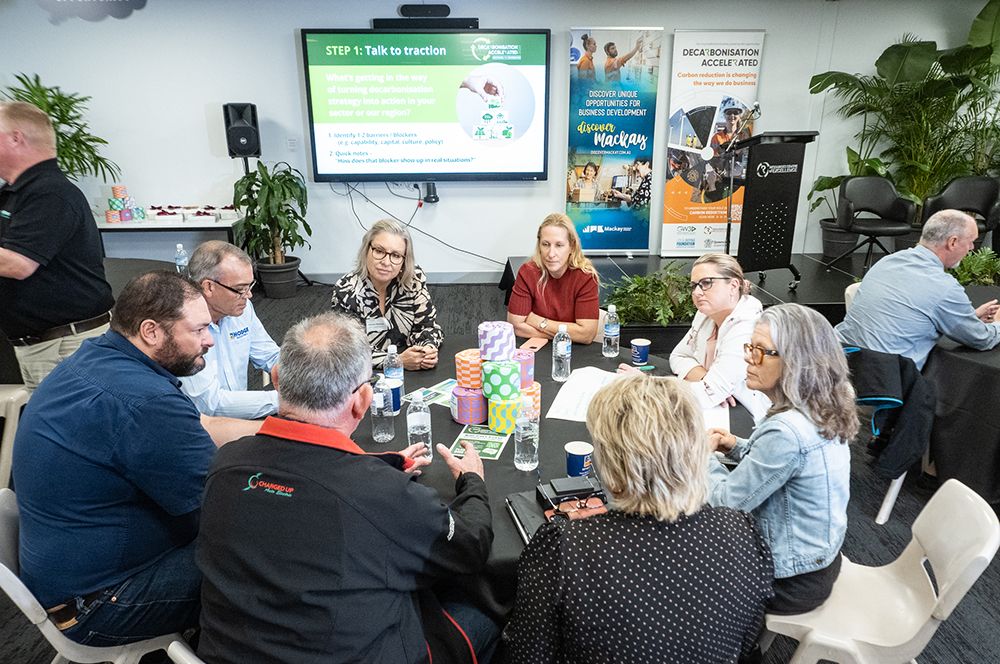
This legacy of practical, on-the-ground sustainability provides a strong foundation as our region continues to evolve. Industry, government, research, and community are increasingly aligned in the belief that sustainable transformation is not just necessary — it’s an opportunity. From better land management and emissions reduction to circular economy models and sustainable supply chains, businesses in the Greater Whitsunday region are actively pursuing change and embedding ESG thinking into the way they operate.
What sets this region apart is the way transformation is being approached: not as a sudden shift, but as a coordinated, industry-led journey. This ensures that progress is grounded in local strengths and driven by regional priorities. It also acknowledges the importance of collaboration, where innovation and tradition can work hand in hand.
Across the region, longstanding industries are demonstrating what sustainable transformation looks like in practice, while emerging opportunities like biomanufacturing are helping accelerate the transition. Together, these efforts highlight the region’s readiness and determination to shape a more sustainable, resilient, and forward-focused future.
Case Study - Sustainability in the Sugar Industry
The sugar industry in the Greater Whitsunday region stands as a leading example of how traditional sectors can embed sustainability at every stage of their operations — from paddock to product. Deeply rooted in the region’s identity and economy, sugar production has long demonstrated a commitment to circular practices, resource efficiency, and environmental stewardship.
At the farm level, growers across the region participate in Smartcane BMP — a best management practice program that promotes sustainable soil, nutrient, and water use, while helping to protect the Great Barrier Reef. These practices are not only improving environmental outcomes but also enhancing productivity and long-term farm viability. The program has seen strong regional uptake, reflecting the willingness of local growers to embrace innovation and continuous improvement.
In processing, the sugar milling sector operates with an inherent circularity that minimises waste and maximises resource use. Wilmar’s Sarina Distillery — Queensland’s only bioethanol manufacturer and the largest in Australia using sugarcane — produces up to 60 megalitres of ethanol annually. This renewable fuel has the potential to offset more than 50,000 tonnes of CO₂ emissions per year, the equivalent of taking 15,000 cars off the road. By using by-products like molasses, Wilmar also supports a circular bioeconomy, turning waste streams into valuable outputs such as fertilisers and animal feed.
Mackay Sugar’s operations further demonstrate the sector’s sustainability credentials. Their Racecourse Mill cogeneration plant uses bagasse — the fibrous residue from crushed cane — to produce steam and green electricity. This not only powers the mill but also exports 114,730 MWh of excess renewable energy into the national grid — the equivalent of powering around one third of Mackay city homes. The result is a nearly carbon-neutral energy solution that showcases how legacy infrastructure can support a clean energy future.
Mill by-products like mill mud and ash are also returned to farms as nutrient-rich soil conditioners, creating a regenerative cycle that closes the loop between growing and processing. With thousands of hectares of cane harvested each year, these integrated practices ensure that sustainability is not an add-on, but a defining feature of how the industry operates.
Together, these examples show that the sugar industry is not just adapting to new sustainability expectations — it is leading by example. Its circular systems, renewable energy contributions, and commitment to best practice farming highlight how long-standing industries can drive sustainable transformation in the Greater Whitsunday region.
Case Study - Healthy Rivers to Reef Partnership
In the Greater Whitsunday region, sustainability is not just a goal, it’s a shared responsibility. The Healthy Rivers to Reef Partnership (the Partnership) embodies this ethos, bringing together stakeholders from across the region to protect one of the world’s most important natural assets: the Great Barrier Reef.
Formed in 2014, the Partnership is a collaborative alliance of more than 30 organisations, including local councils, Traditional Owner groups, agricultural representatives, ports, scientists, tourism operators, and community leaders. Its aim is to monitor, report on, and improve the condition of waterways from the catchments to the reef, recognising that healthy rivers are essential for healthy reef systems (source).
Each year, the Partnership delivers a Regional Waterway Health Report Card, providing accessible, science-based assessments of ecosystem health across rivers, estuaries, and inshore marine zones. The initiative goes beyond reporting — it fosters a culture of evidence-based decision-making, transparency, and continuous improvement. Importantly, it also highlights the positive impact of sustainable land and water management practices being adopted across the region, particularly in sectors like agriculture.
This collaborative, place-based approach demonstrates how the Greater Whitsunday region is tackling sustainability with both structure and ambition. By investing in long-term partnerships, aligning traditional and scientific knowledge, and empowering industry to be part of the solution, the region is showing what it means to take stewardship seriously.
The Healthy Rivers to Reef Partnership stands as a testament to regional leadership and commitment. It reflects how sustainability in the Greater Whitsunday is pursued not in isolation but through deep collaboration—embedding care for natural systems into how the region plans, produces, and innovates, including in emerging industries like biomanufacturing that rely on healthy ecosystems for their growth and success.
Case Study - Decarbonisation Accelerated
Empowering a Low-Carbon Future in the Greater Whitsunday Region
The Greater Whitsunday region is taking a proactive and coordinated approach to sustainability through Decarbonisation Accelerated — a flagship initiative led by the Resources Centre of Excellence (RCOE) and Greater Whitsunday Alliance (GW3). This region-wide program is helping to reshape the local economy by embedding ESG principles into the heart of business and industry.
Decarbonisation Accelerated is designed to fast-track emissions reduction while supporting long-term economic resilience. It recognises that sustainability is not just a moral imperative — it’s a strategic advantage. By enabling businesses to reduce their carbon footprint, diversify revenue streams, and align with global ESG expectations, the initiative is positioning the Greater Whitsunday region as a destination of choice for future-focused investment.
From July 2023 to 2025, Decarbonisation Accelerated has seen more than 700 participants in over 10 regional events. The program has also connected with 144 stakeholder groups and secured the involvement of 24 project partners.
The program is now entering a new phase focused on implementation — delivering targeted initiatives including:
- Business Capability Building – Supporting small and medium enterprises to adopt and monitor decarbonisation strategies
- Regional Economic Growth – Enabling diversification across key sectors
- Regional Leadership – Developing local champions and strengthening support services
- Technology Adoption – Accelerating the uptake of emissions-reducing technologies
- Research and Data – Using evidence to drive innovation and attract investment
The Decarbonisation Accelerated program is designed to reframe the region's value proposition and seeks to unlock new revenue streams by leveraging the region’s deep skills and longstanding strengths in agriculture and mining. These foundational industries have equipped local businesses with the expertise to adapt and thrive in growing markets. Through the Greater Whitsunday METS Sector – A Diversification Revenue Strategy, the region is actively pursuing high-potential opportunities in critical minerals, renewables, bioenergy, biomanufacturing, circular economy, space, and post mining land use.
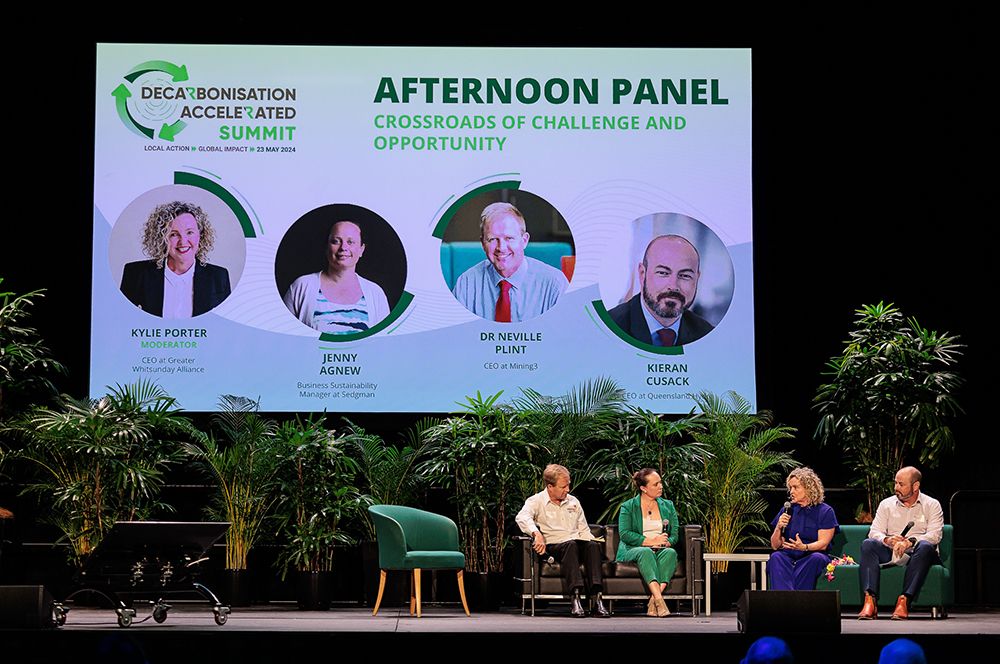
The region’s sustainability ambitions are guided by a clear vision:
“By 2030, the Greater Whitsunday region will be known for its action on sustainability, economic transformation and embracing decarbonisation to support thriving communities, and enduring prosperity."
Decarbonisation Accelerated is helping businesses take bold, practical steps toward this vision — building resilience, attracting investment, and positioning the Greater Whitsunday region as a proactive and future-ready player in Australia’s low-carbon economy.
Conclusion
The BioVision journey has shown how the Greater Whitsunday region is uniquely positioned to drive Australia’s biomanufacturing future. With abundant feedstock, enabling infrastructure, industry expertise, and a deep commitment to sustainability, the region has everything needed to turn opportunity into reality.
But BioVision is just the beginning. The real story continues with the people, businesses, and investors who choose to be part of building the next generation of industries right here in Greater Whitsunday.
Whether you’re exploring opportunities, looking for the right partners, or ready to invest, we invite you to connect with us. Together, we can unlock new industries, create lasting value, and shape a more sustainable future.
Contact Us:
Email: admin@gw3.com.au
Phone: +61 (07) 4845 8222
Website: www.gw3.com.au